Uganda mandates 21-day Ebola quarantine
Citizens returning from the Democratic Republic of Congo must now pay for and undergo three weeks of isolation as the outbreak kills over 4,800 neighbors.
By Rosa Kovalenko ·
More than 4,800 people have died in the Democratic Republic of Congo since May, marking the deadliest Ebola outbreak in the country's history. The virus has spread to several other nations, prompting Uganda to implement strict containment measures for those crossing its borders.
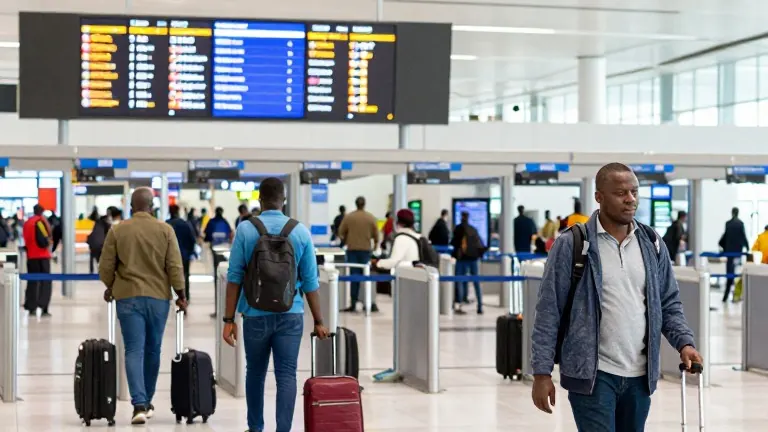
The Ugandan health ministry announced on Sunday that citizens returning from the DR Congo will undergo 21 days of quarantine at their own expense. Travelers who have been to the DR Congo are no longer allowed to transit through Uganda. The ministry stated that it has intensified screening at Entebbe International Airport, all land border crossings, and designated road checkpoints.
These restrictions follow reports that two individuals who traveled through Uganda tested positive for the virus in other countries. One patient was a Kenyan businessman who died two days after arriving in Nairobi. He had traveled from the DR Congo for business interests. The other patient is the Ugandan-born wife of a Swiss diplomat living in Nigeria. Jean Kaseya, head of Africa Centres for Disease Control and Prevention, said she had traveled to Uganda for a holiday before testing positive in Nigeria.
Diana Atwine, the health ministry's permanent secretary, reviewed CCTV footage and found no physical interaction between the two patients. On Sunday, the ministry confirmed that 60 people who had contact with the Kenyan patient were all discharged. However, officials said they were still working with Nigerian authorities to establish the full travel history and exposure routes for the patient in Nigeria.
Chris Baryomunsi, Uganda's health minister, told the BBC's Newsday program that only essential travelers from the DR Congo will be admitted, subject to intense public health measures. He noted that Uganda recorded 20 cases and two deaths earlier in the outbreak, but the World Health Organization declared the country free of the disease in August. Baryomunsi said the shared border and close community ties through trade and family mean the risk has not ended.
The current outbreak is caused by the Bundibugyo species of Ebola, which is relatively rare. There is currently no approved vaccine or specific treatment for this strain, though clinical trials are underway. The virus spreads through contact with infected bodily fluids, including blood and vomit. Kenyan authorities have confirmed eight other cases linked to the initial patient, and a second woman related to the businessman died over the weekend.
Ugandan officials emphasized that no new cases have been reported within their borders since the two foreign cases surfaced. The ministry reiterated that the goal of the new measures is to keep the virus out of the country while it remains active in neighboring regions.
Source: BBC News