Anthrax kills 28 hippos in Virunga Park amid Ebola crisis
Laboratory tests confirm the outbreak in the Semuliki River, where residents fear human transmission while managing a second health emergency.
By Rosa Kovalenko ·
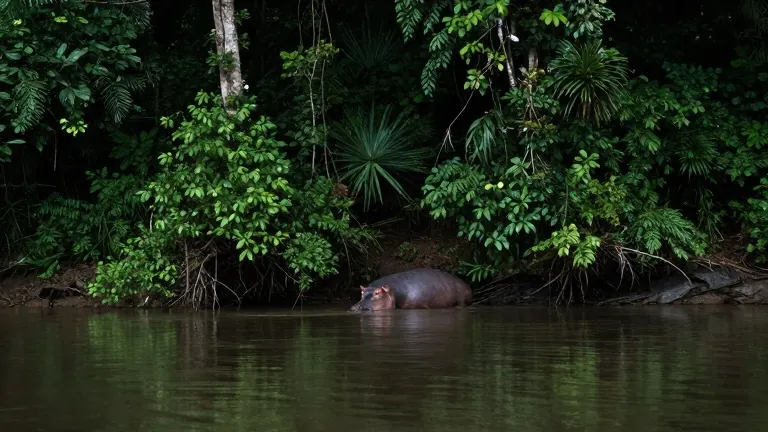
Laboratory tests confirmed that anthrax killed 28 hippopotamuses in the Semuliki River over the past four weeks. The deaths occurred in Virunga National Park in the Democratic Republic of the Congo, a region currently battling the deadliest Ebola outbreak in its history. Park officials identified the bacterium Bacillus anthracis as the cause after residents reported the mass mortality starting in mid-September.
Michael Kambale, a resident of the Vitshumbi enclave, located 100 kilometers north of Goma, noted that the community began noticing the carcasses in mid-September. He stated that the situation unfolds while the region manages the Ebola crisis, creating a dual health burden for locals. The Semuliki River is west of Africa’s oldest national park, which was founded in 1925.
Virunga National Park issued a press release warning that the disease transmits to humans through contact with sick or dead animals or by consuming their meat. Teams are currently monitoring the affected area to record new mortality cases. The park is coordinating the safe handling and disposal of carcasses to reduce risks to both wildlife and the local population.
Residents in and around the affected area have been informed of the outbreak. The park advised them not to touch, skin, or consume animals found dead. Officials instructed the public to report any carcasses or suspected cases to the relevant authorities. This protocol aims to limit the spread of the spores, which can survive in soil for decades.
Joel Mbusa Mapoli, an expert in ecology and veterinary medicine, described the loss as a major setback for the park. He explained that hippos act as ecosystem engineers by altering nutrient flows in their habitats. Mapoli argued that the response must combine conservation measures with public health interventions under the One Health principle. He called for stronger epidemiological surveillance and better protection for local communities.
Olivier Ndoole Bahemuke, head of the nonprofit Alerte Congolaise pour l’environnement et les droits de l’homme, linked the conservation challenges to the armed conflict in the country. He stated that the conflict, which has persisted for nearly three decades, has fueled poaching and deforestation. The park reports that it has lost control of a significant portion of its territory over the past four years due to clashes between the Congolese army and M23 fighters.
The park’s February 2026 census estimated the hippo population at more than 2,700 individuals distributed across 171 groups. In 2025, an anthrax outbreak killed 65 hippos in the same park. Park officials noted that drought conditions contribute to recurring outbreaks by forcing herbivores to graze closer to the ground and congregate near water points. This behavior increases their exposure to contaminated soil.
The M23 armed group claims it is helping protect the area from poachers and other human threats. Park staff are closely monitoring the situation as they work to manage the carcasses and inform the public. The park emphasized that the persistence of the bacterium in the environment, combined with deteriorating climatic conditions, drives these recurring events.
Source: Al Jazeera