How 20,000 Black Railroad Workers Fought to End the Pullman Company's Exploitation
The Brotherhood of Sleeping Car Porters became the first nationally recognized Black-led railroad union, securing a collective bargaining agreement after years of demanding fair wages and rest periods.
By Rosa Kovalenko ·
The Brotherhood of Sleeping Car Porters secured a collective bargaining agreement with the Pullman Company, a victory that established the first nationally recognized African American labor organization in the railroad industry. This achievement followed a decades long struggle by porters who demanded fair wages, reasonable working hours, and basic respect from the company that employed them.
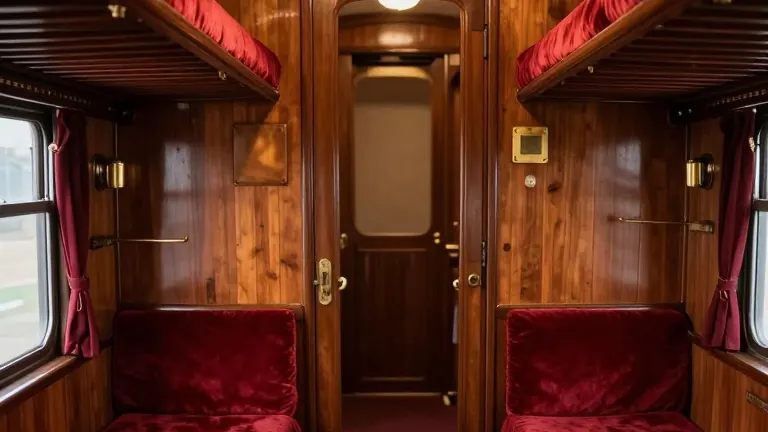
George Pullman founded the Pullman Palace Car Company and began hiring Black men to serve white passengers on luxury trains around 1867. These workers, many of whom were formerly enslaved, provided service in sleeping cars that offered plush accommodations, dining areas, and lounge spaces. The company marketed these trains as hotels on wheels, promising comfort and elegance to its clientele.
The working conditions for the porters contrasted sharply with the luxury provided to passengers. According to the Jim Crow Museum, porters were required to work up to 400 hours or travel 11,000 miles per month to receive their full salary. These quotas often resulted in shifts lasting 20 hours or more. Linus Scott, a porter for 35 years, told CBS in 2009 that he once worked 21 hours non stop, sleeping for only three hours. Many porters earned just one dollar a day and had to pay for their own uniforms and meals.
By the 1920s, approximately 20,224 African Americans worked as Pullman porters and other train personnel. Their duties included carrying luggage, preparing berths, cleaning compartments, and serving food. They also relied on tips to supplement their low wages, which added pressure to satisfy every passenger demand. White passengers frequently addressed them as boy or George, disregarding their actual names and reinforcing the racial hierarchy of the era.
Porters began gathering in major cities to discuss their working conditions and demand better treatment. In August 1925, they established the Brotherhood of Sleeping Car Porters despite strong opposition from the Pullman Company. Labor organizer A. Philip Randolph was recruited to lead the organization as its president in 1929. Under his leadership, the union continued building support and fighting for fair wages and improved working conditions.
The Pullman Company held a dominant position in the luxury sleeping car business, selling nearly 34 million premium fares at its peak in 1929. However, the federal government challenged the company's monopoly in court in 1940, alleging it controlled too much of the industry. The company was ordered to separate its manufacturing operations from its operating business. By the 1950s, passenger rail travel declined as automobile and air travel became more popular.
Pullman ceased operations in 1969, ending its long presence in the railroad industry. When Amtrak began operating in 1971, it assumed most of the nation's remaining passenger routes. Some former Pullman porters retired, while others continued working under the new system. By the 1990s, nearly all of the original porters had retired, closing a chapter that began in the aftermath of the Civil War.
Source: WOLB