Trump's $5,000 Dividend Dies With GOP Control
The Dallas promise of universal cash payments evaporates as Democrats seize Congress, exposing the fiscal gamble and bipartisan skepticism that defined the final weeks of the campaign.
By Rosa Kovalenko ·

President Donald Trump’s pledge to send $5,000 to every American adult has effectively lapsed with the Republican Party’s loss of control over the U.S. House and Senate. The promise, dubbed the Trump Dividend, was made at the Republican Midterm Convention in Dallas last week and was explicitly conditioned on the GOP retaining power in both chambers of Congress. With Democrats now holding majorities in the House and the Senate, the specific political prerequisite for the payout is no longer met, leaving the administration with a difficult task of explaining the shift in strategy to voters who were told they would benefit from the country’s economic success.
The proposal was a central talking point in the final days of the campaign, particularly in Texas and the South Central states where polls closed Tuesday. Trump argued that the United States was generating unprecedented revenue, primarily through tariffs, which would make the payments easy to handle. He compared the dividend to corporate shareholder distributions and cited the strong performance of the stock market as evidence of the nation’s financial health. However, the promise drew immediate scrutiny from fiscal experts who noted that the administration had not announced a formal plan for funding the checks or for distributing them to the approximately 245 million adult citizens in the country.
House Speaker Mike Johnson, who will not seek reelection as the House Republican leader following the results, acknowledged the logistical hurdles even before the election night outcome was final. Speaking on Sunday, Johnson stated that congressional approval was required for the payments. He said, 'I would assume, yes, he'd need Congress to act, and that's a creative idea.' This admission contradicted Trump’s earlier comments to CBS News Texas, where the president suggested that Congress might not need to authorize the payments, though he did not specify how the executive branch could spend more than $1 trillion without legislative action. Johnson pledged to work toward the proposal despite the slim Republican margin, calling Trump the 'big ideas president.'
Bipartisan criticism of the plan intensified as the election approached. Democratic leaders pointed to the cost of the dividend, which could exceed $1 trillion, and the existing national budget deficit of nearly $1.8 trillion. They argued that using such a large sum in an election year looked like an attempt to buy votes by offering a direct financial incentive to swing voters. The criticism was not limited to Democrats; some Republicans also questioned the price tag. Texas Congressman Chip Roy wrote on social media that 'Dependency is evil and soul-sucking in all its forms,' reflecting a faction within the party that worried the payment would create a sense of entitlement among voters who might otherwise support fiscal restraint.
PolitiFact’s analysis of the promise found that the biggest payment was far from certain, citing enormous obstacles in both the timing and the funding source. The fact-checkers noted that while Trump cited tariff revenues as a potential source, lawmakers had not included a separate tariff dividend in the One Big Beautiful Bill Act tax and spending bill that became law in 2025. The Tax Foundation estimated that the cost of the $5,000 checks would spend almost all the revenue that new tariffs are projected to bring in over a decade. This calculation highlighted the gap between the president’s optimism and the economic reality facing a government with high interest rates and persistent inflation.
In Texas, the loss of the state House to Democrats adds another layer of complexity to the administration’s plans. Governor-elect Gina Hinojosa, the state’s first Democratic governor since 1994, is expected to prioritize cost of living issues that were central to her campaign. The shift in Austin’s state government control, combined with the federal changes, creates a new dynamic for oversight of federal spending in the state. The Democratic victory in the Texas Senate race, which saw a historic win for the party, further solidifies the opposition that will now face any remaining executive initiatives from the White House.
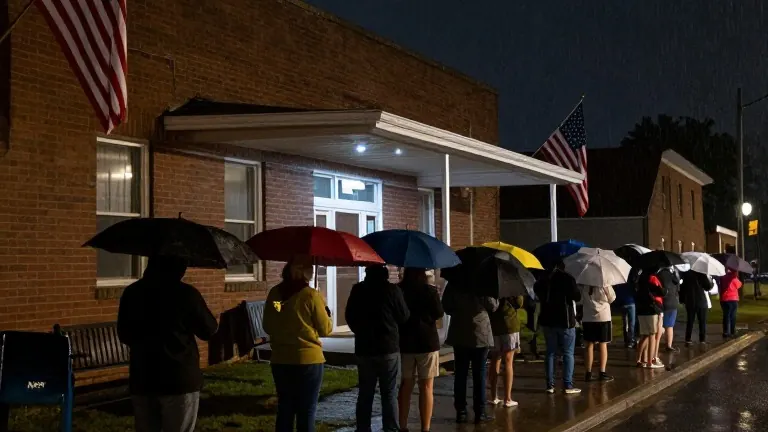
The election results in the South Central region reflect a broader pattern of voter dissatisfaction with the president’s handling of the economy and the war in Iran. In states like Louisiana and Arkansas, where polls opened at 6 a.m. and 7:30 a.m. respectively, voters faced a choice that many saw as a referendum on the administration’s direction. The AP Voter Poll indicated that about 6 in 10 voters disapproved of how Trump was handling the presidency, a sentiment that likely contributed to the Republican losses in key Senate races. The war with Iran, which drove gas prices up sharply, was a significant factor in voter sentiment, with many respondents citing the cost of fuel and groceries as crucial to their decision.
Democratic leaders in the incoming Congress are already positioning themselves to hold the administration accountable for the dividend promise. House Democratic Leader Hakeem Jeffries, who is expected to become the first Black speaker of the House, has vowed to deliver on the dramatic changes voters requested. The new Democratic majority is likely to launch a robust oversight agenda, which could include inquiries into the executive branch’s budgeting processes and the feasibility of the promised payments. The prospect of a divided government means that any future attempts to fund the Trump Dividend would require bipartisan cooperation, a hurdle that seems increasingly difficult to clear.
The loss of the House and Senate marks a significant shift in the balance of power in Washington, with Congress poised to reassert itself as a coequal branch. The administration’s strategy of using financial incentives to rally support has been tested, and the results suggest that voters may have been more concerned with the long-term economic implications than with the immediate allure of a one-time payment. As the new Congress prepares to convene in January, the fate of the $5,000 dividend will serve as a key indicator of how effectively the parties can work together, or against each other, in the coming years.