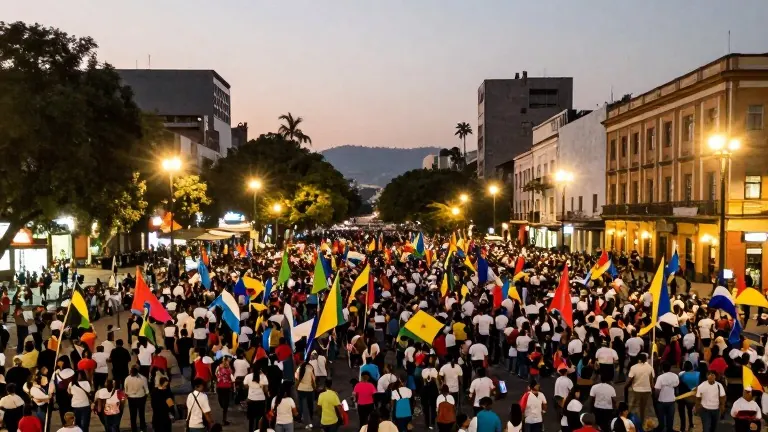
Lula reclaims lead in Brazil runoff as disputed vote extension pauses count
A last-minute Supreme Court ruling extending voting in Bahia halted the tally, complicating a race where the incumbent has overtaken his rival with half the ballots in.
By Aminata Patterson ·
Luiz Inácio Lula da Silva has taken the lead over Senator Flávio Bolsonaro in Brazil’s presidential runoff, a reversal driven by late-counting votes from the Northeast. With approximately 50 percent of ballots tallied by 8:30 p.m. local time in Brasília, the incumbent regained the advantage after an initial surge by the conservative challenger. The shift occurred as results from poorer, populous states in Lula’s traditional stronghold began to arrive.
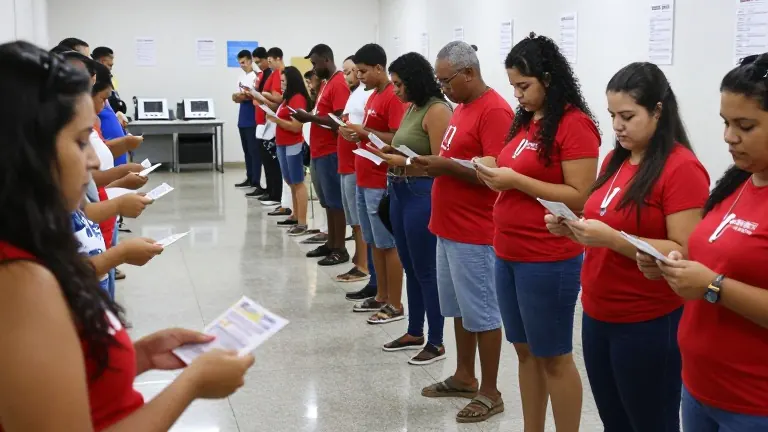
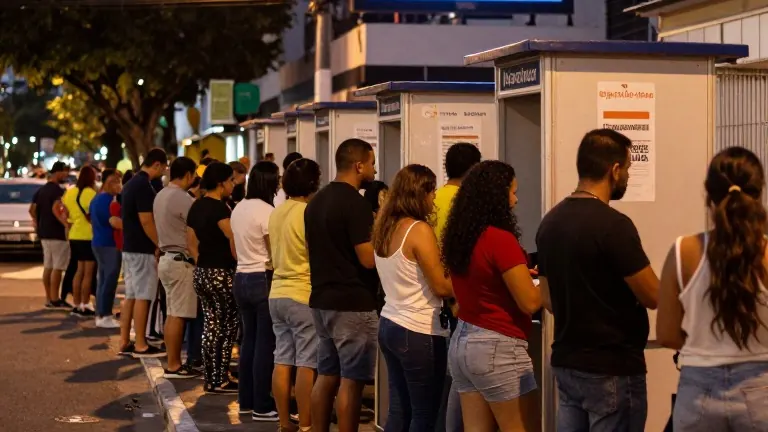
The timeline of Sunday’s election was altered by a split decision from the judiciary. Justice Cristiano Zanin, who previously served as Lula’s legal counsel, accepted a request to extend voting hours in Bahia. He cited public transportation disruptions in three cities that prevented voters from reaching polling stations. His ruling arrived at the 5 p.m. cutoff, creating immediate confusion at the polls.
Zanin subsequently ordered that stations already closed would remain shut to begin counting, while those still open could accept voters for two additional hours. The Federal Electoral Court, or TSE, paused the national count for two hours to process the change. Polling stations that had not closed by the original deadline were granted the extra time, a move that complicates the final tally.
Pollsters indicated that higher-than-expected turnout benefited Lula. Andrei Roman, CEO of AtlasIntel, told Reuters that the data suggested the President would be re-elected. Although the electoral court has not officially declared a winner, allies of the incumbent were already proclaiming victory on social media platforms.
The procedural irregularity has raised concerns about legal challenges, particularly given the 2022 aftermath where former President Jair Bolsonaro refused to concede defeat. Bolsonaro’s supporters later invaded government buildings, and he was sentenced to 27 years in prison for plotting a coup. Vera Chemim, a constitutional lawyer in São Paulo, noted that the losing side might contest the result by arguing that the extended deadline still left many unable to vote.
Political tensions heightened the scrutiny of the process. Flávio Bolsonaro’s brother, Eduardo Bolsonaro, questioned the jurisdiction of the Supreme Court in a live stream, calling the legal basis for the decision unconvincing. He asked, “Strange, isn’t it?” and stated that the ruling did not inspire credibility. Lula, for his part, described the situation as “something abominable” before the extension was granted.
The extension followed allegations that local officials reduced bus fleets on election day. A court in Bahia ordered the arrest of a top transportation official in Salvador over these claims. Flávio Bolsonaro had also sought extended voting in at least three states, citing bad weather. Lula’s campaign alleged the issue affected voters in at least nine states.
International observers are closely monitoring the outcome. The United States is watching the election, with President Donald Trump stating in Washington that he was observing the proceedings but declined to endorse a candidate. Trump’s remarks come after a report revealed a State Department effort to support the Bolsonaro faction.
Source: The Jerusalem Post