Gout pain is actually your body fighting a crystal
Medical experts explain how uric acid buildup signals metabolic issues and why men are more susceptible than premenopausal women.
By Rosa Kovalenko ·
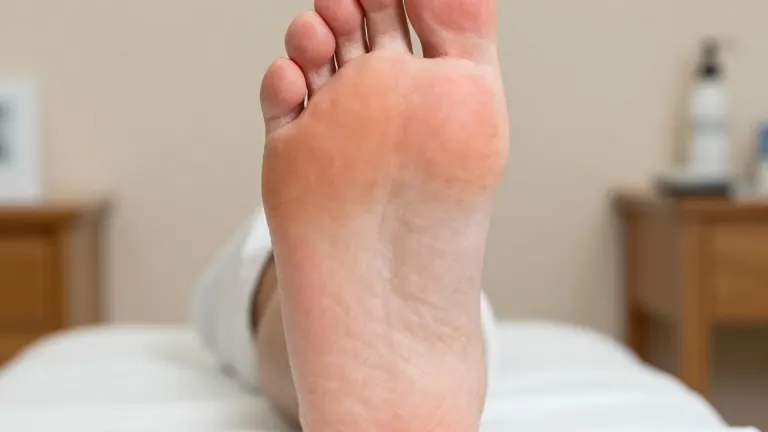
Gout occurs when uric acid accumulates in the blood, causing crystals to form in joints and tissues, according to Dr. Rhea Rogers, a board-certified physician. The Centers for Disease Control and Prevention defines the condition as a painful form of arthritis that typically affects one joint at a time. The resulting inflammation creates intense pain, often in the big toe, a presentation known as podagra.
Gerontologist Sam Cradduck notes that the physical crystal is not the direct source of the pain. Instead, the immune system identifies the crystal as a foreign object and attacks it. Cradduck’s daughter, who has experienced two gout episodes, described the sensation as feeling like a shard of glass. The pain is severe enough that standing near the affected foot can cause discomfort for those nearby.
High uric acid levels often indicate underlying metabolic problems. Rogers states that gout can be a signal for insulin resistance, diabetes, or cardiovascular issues. Uric acid also reduces nitric oxide, a substance that allows arteries to relax. This mechanism is linked to atherosclerosis, or the hardening of arteries, making the condition a marker for vascular health.
Men are more likely to develop gout than women because of hormonal differences. Rogers explains that estradiol is protective. Premenopausal women have high levels of this hormone, while men rely on the conversion of testosterone to estradiol for a smaller share of protection. As men age, testosterone levels drop and visceral fat increases, raising the risk. For women, the risk profile shifts after menopause, when estradiol levels decline and the gender gap in gout incidence closes.
Dietary habits play a role in managing the condition. Aging well coach Katherine Ambrose notes the historical association of gout with rich foods and alcohol. Amy O’Rourke, an aging expert, emphasizes that what people consume and their general health maintenance are key factors. O’Rourke observed that men often seek medical treatment later than women and advised families to encourage male relatives to see doctors promptly.
Treatment options include prescription medications like allopurinol. Rogers also mentioned that specific combinations of nutrients, such as vitamin C, quercetin, and luteolin, can help lower uric acid levels naturally. Sugary foods and drinks increase fructose, which raises insulin and helps the body retain uric acid, further contributing to the buildup.
The Alliance for Gout Awareness provides additional information on the condition. Health care providers recommend consulting a physician for personalized advice on managing uric acid levels and treating flare-ups.
Source: KVLY-TV
More Business · Rip-Off Report · Report a business · Got a Story?