Trump's Shadow Looms Over Texas and Southern Midterm Races
As polls open in Texas and the South, voters weigh high costs and an unpopular war while the president rallies and claims fraud.
By Rosa Kovalenko ·
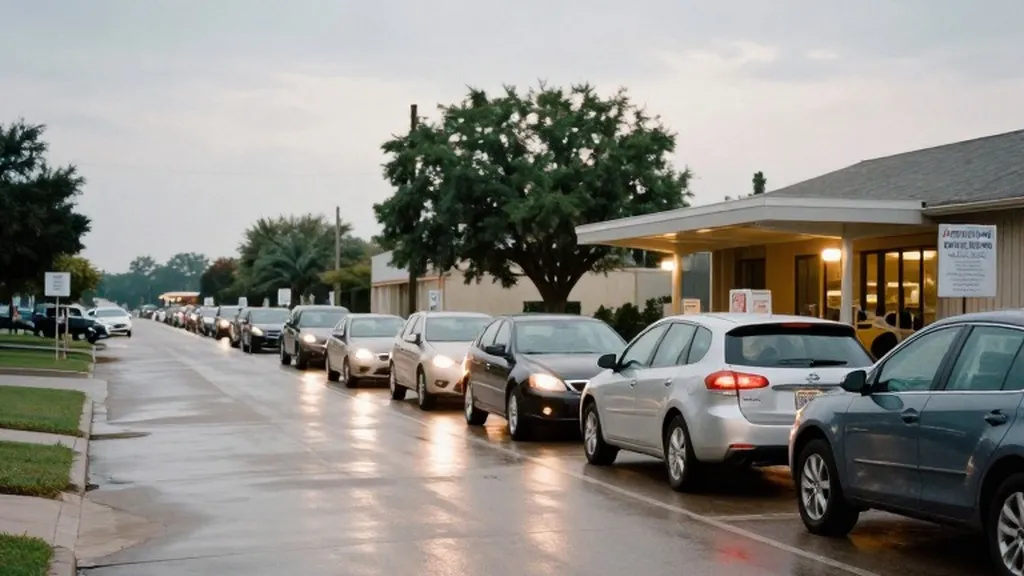
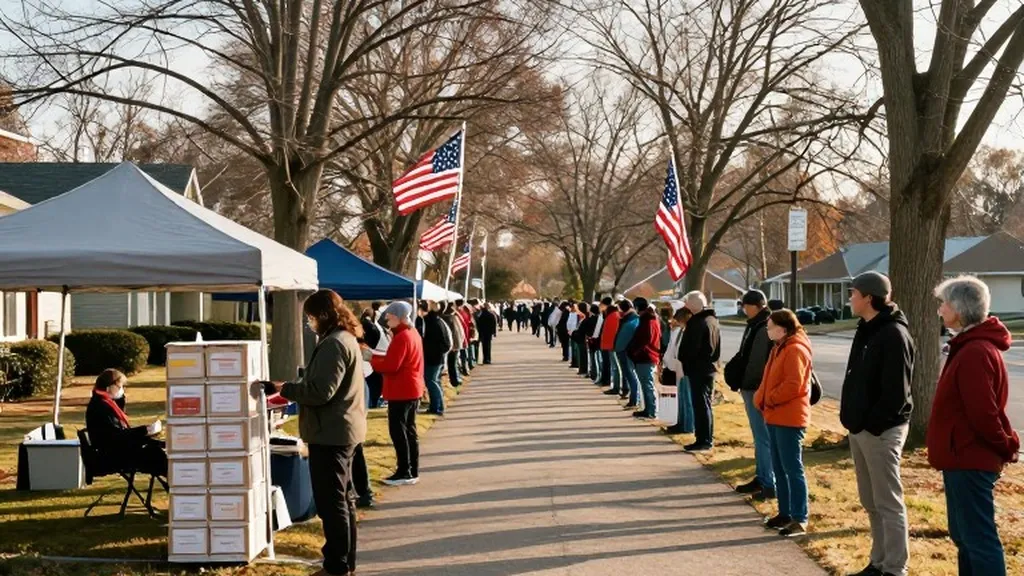
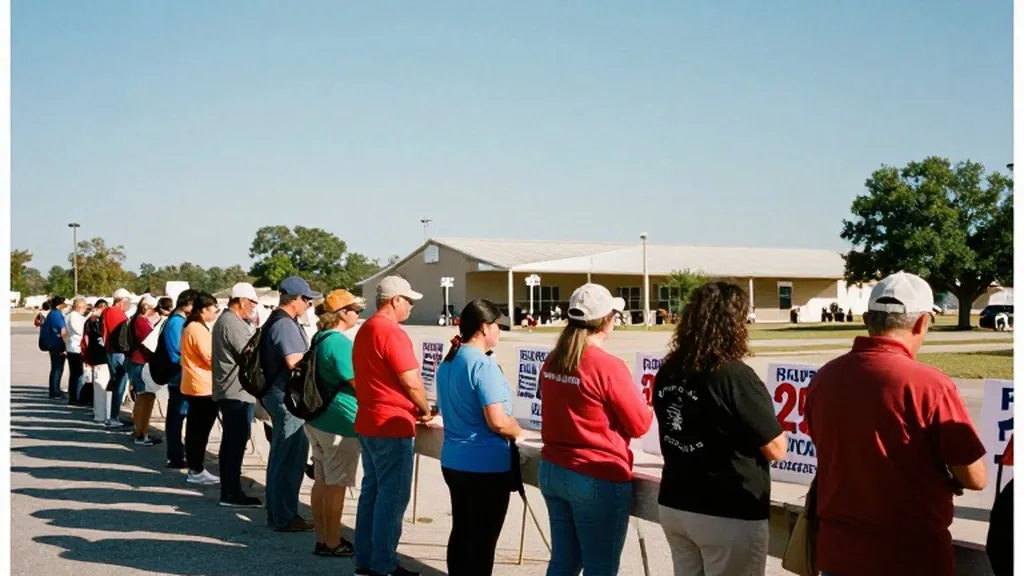
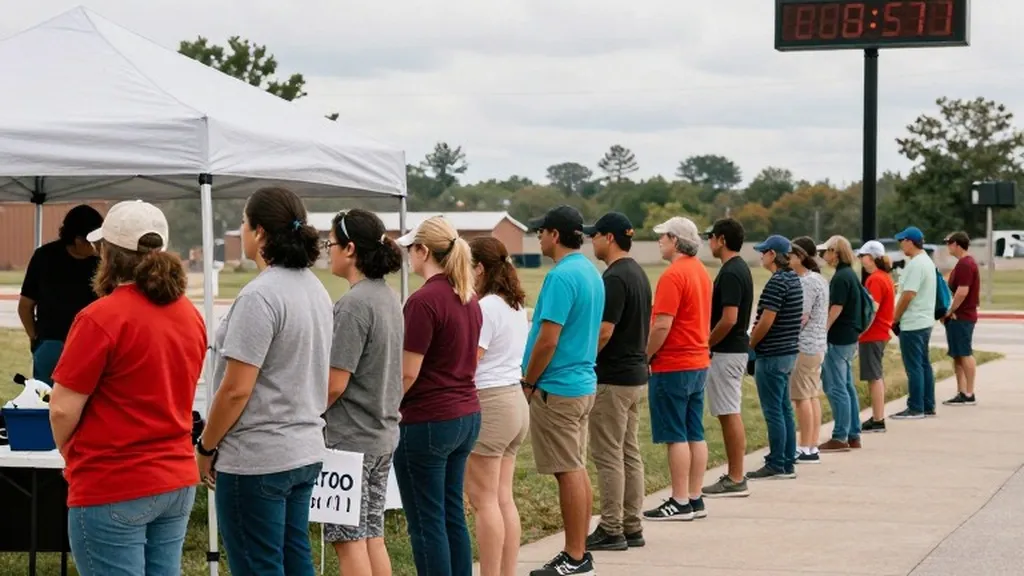
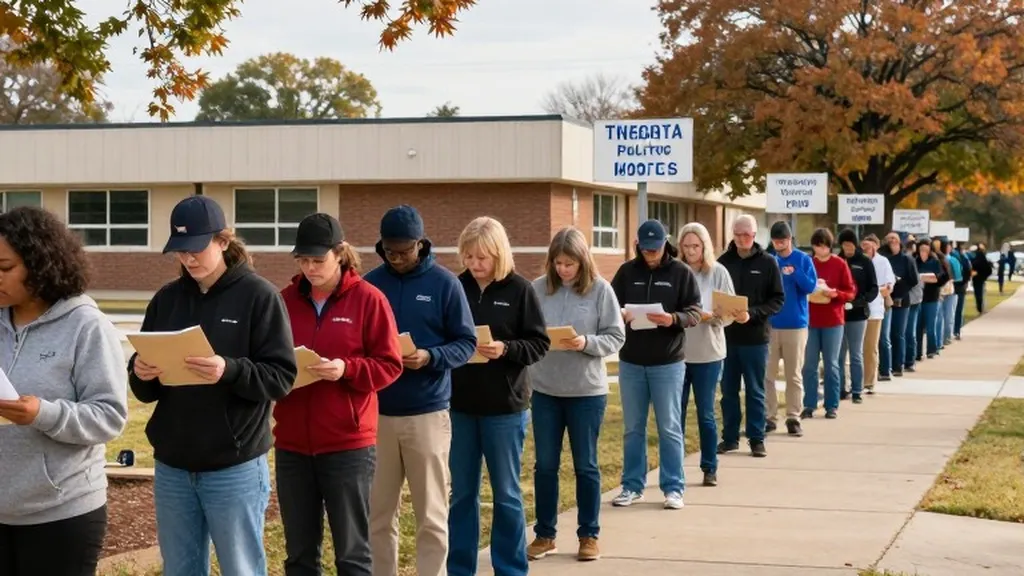
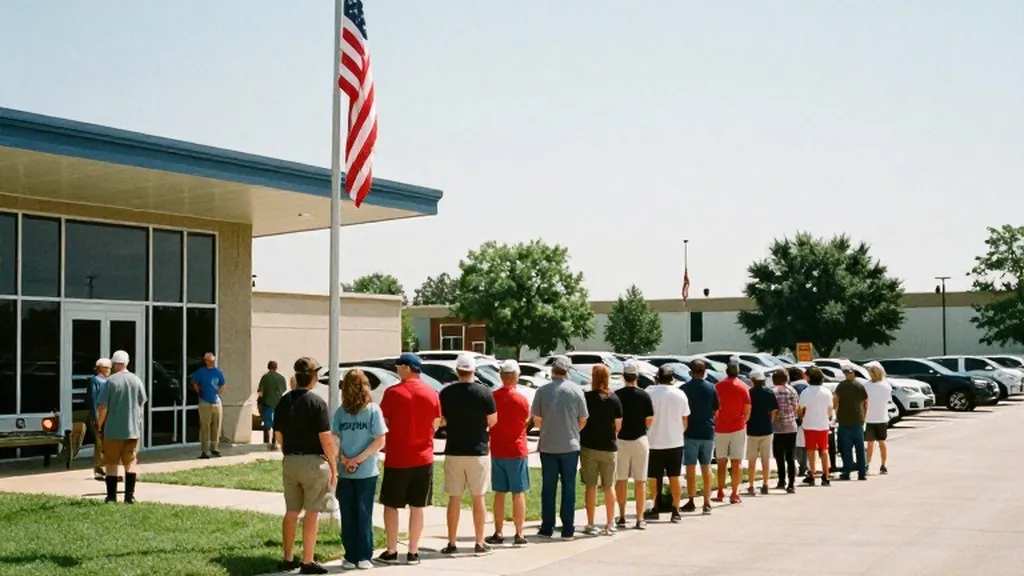
Polls opened at 7 a.m. in Texas and Oklahoma, marking the start of a decisive day for the midterm elections. In Arkansas, voting began at 7:30 a.m., while Louisiana polls opened at 6 a.m. for Tuesday contests. These early hours set the stage for a contest that the Associated Press describes as a referendum on President Donald Trump's second term. The stakes are high for Democrats who seek control of Congress to investigate the administration and address the cost of living.
The president has been active in the region, holding dozens of rallies in the days leading up to the vote. His schedule included stops in Mississippi, South Carolina, and Texas. At a rally in Salina, Kansas, he told supporters, "I really want you to pretend I'm on the ballot." This direct appeal to voters contrasts with the behavior of many Republican candidates who have kept their distance from the president during the final stretch of the campaign.
In Texas, the Senate race features a notable split. Republican Attorney General Ken Paxton, whom Trump backed over incumbent Senator John Cornyn in the primary, faces Democrat James Talarico. The state is a key battleground for the new congressional maps that will be in effect for the first time. This redistricting adds complexity to a race where the 2024 presidential margin was thirteen point six percent for Trump.
Voter sentiment is shaped by economic strain. An AP-NORC poll shows that only 35% of U.S. adults approve of Trump's job performance, while 25% approve of his handling of the economy. About seven in ten people say the country is heading in the wrong direction. Most blame the president for high prices. In North Carolina, voter James Moore, a librarian in Raleigh, summed up the mood by noting that he is paying more for taxes, healthcare, and everything else.
The war with Iran has also influenced the political landscape. The Associated Press reports that voters are angry over this unpopular conflict. This sentiment is particularly acute in the South Central states where the military presence and economic impacts are felt. The combination of high prices and war fatigue is driving the narrative for Democratic candidates who are cautiously optimistic about their chances.
Despite the low approval numbers, the Republican money edge remains a significant obstacle for Democrats. The 2026 elections are likely to be the most expensive in history. Republican committees have outraised and outspent their Democratic counterparts, aided by Trump-affiliated groups and Elon Musk. Analysis of AdImpact data shows that 88.1% of Republican general election TV ad spending went to states and districts Trump won in 2024.
False claims about voting fraud have further complicated the environment. Trump has continued to assert that noncitizens vote in large numbers. His administration has filed lawsuits in Alaska and California, and the Justice Department has threatened to prosecute local election officials. These actions have raised fears of interference and intimidation among Democratic voters and election administrators across the region.
In Oklahoma, voters are choosing a new senator and governor in open seats. The polls close at 7 p.m., and the state is seen as a critical test for the Republican hold on the Senate. In Louisiana, there is no governor race, but the Senate seat is up for grabs in an open seat. The polls there close at 8 p.m. for Tuesday elections. These states represent the core of the South Central focus for this election cycle.
The Republican National Committee Chairman Joe Gruters emphasized the importance of turnout, stating, "Everything depends on turnout. If we turn out our voters, we win, and that's what we've been planning for." Democrats, led by House Speaker Hakeem Jeffries, are looking to capitalize on the anger over the cost of living. A victory in even one chamber would likely trigger investigations and possible impeachment proceedings.
As voters head to the polls, the atmosphere is charged with anticipation. In Texas, the new congressional maps are a central factor, as are the primary battles that defined the field. The distance between the president and his candidates is a visible dynamic in the South. With more than 57 million people having already voted, the final outcome remains uncertain until the polls close and the ballots are counted.
The election administration has faced legal hurdles, including a federal judge temporarily barring the administration from a plan to prevent noncitizen voting. Critics argue this risks disenfranchising eligible voters. The U.S. Postal Service has added resources to ensure mail ballots are counted on time. As the day progresses, the focus remains on whether the economic pain and war fatigue will translate into a shift in Congress for the final two years of Trump's term.