Trump's $5,000 Dividend: A Vote-Buying Gamble or Economic Win?
The president's promise hinges on Republican retention of Congress, yet Speaker Johnson confirms the funding requires a legislative path that experts say is fraught with obstacles.
By Aminata Patterson ·
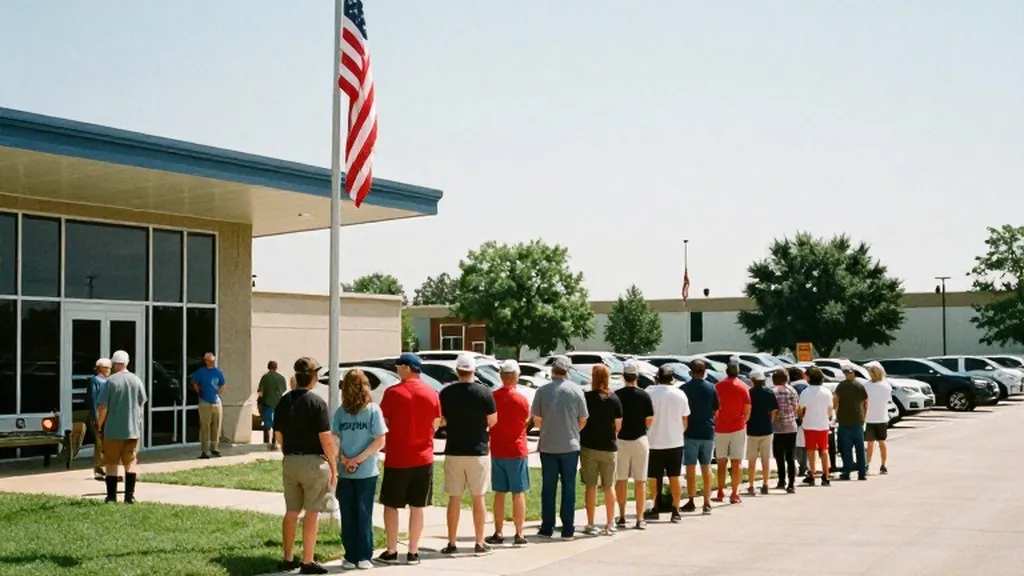
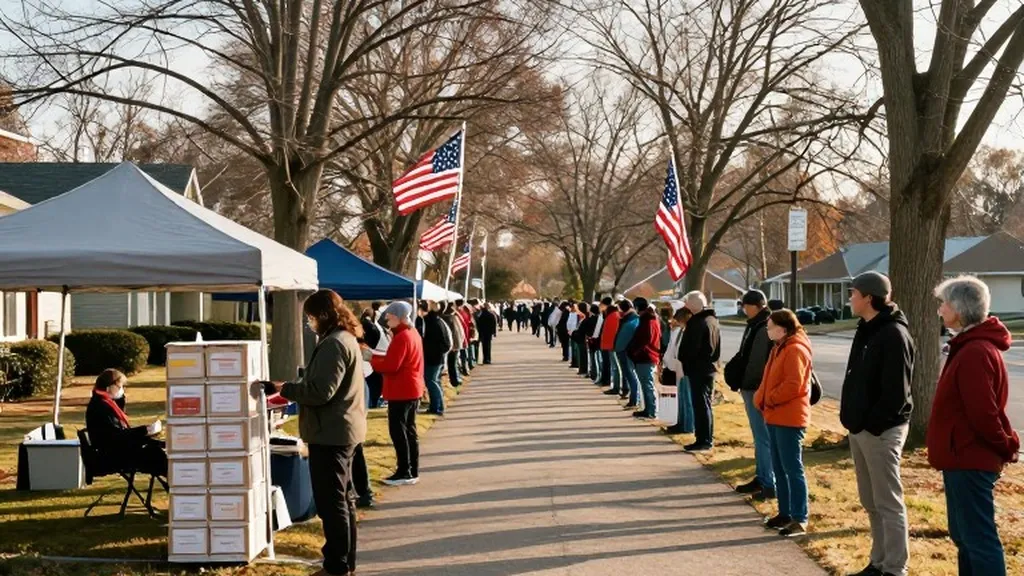
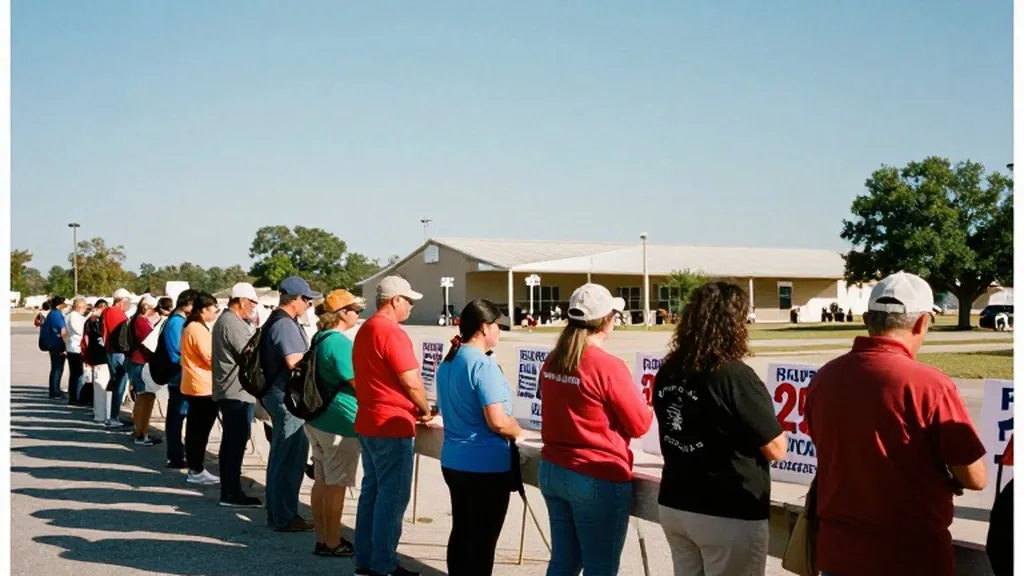
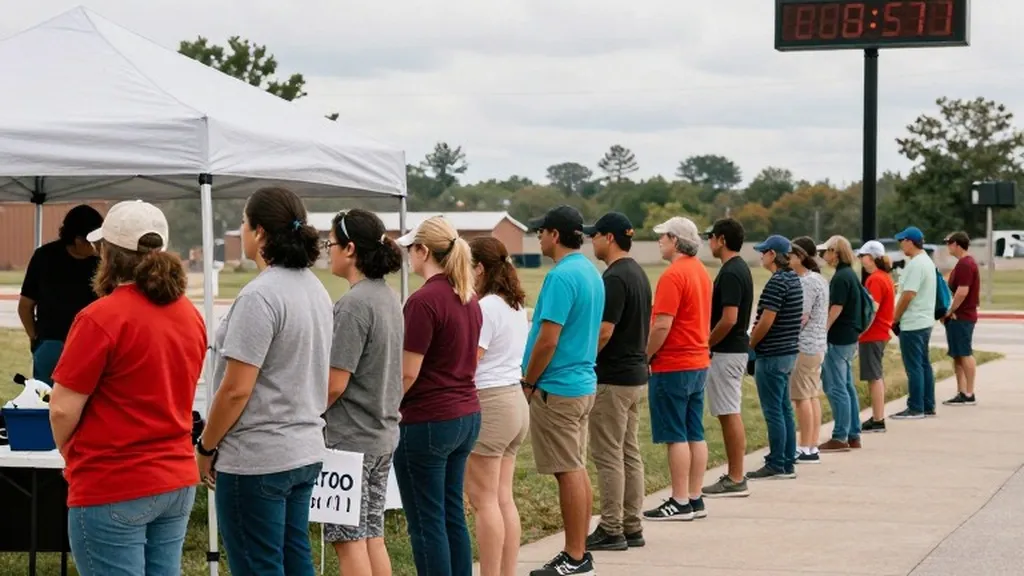
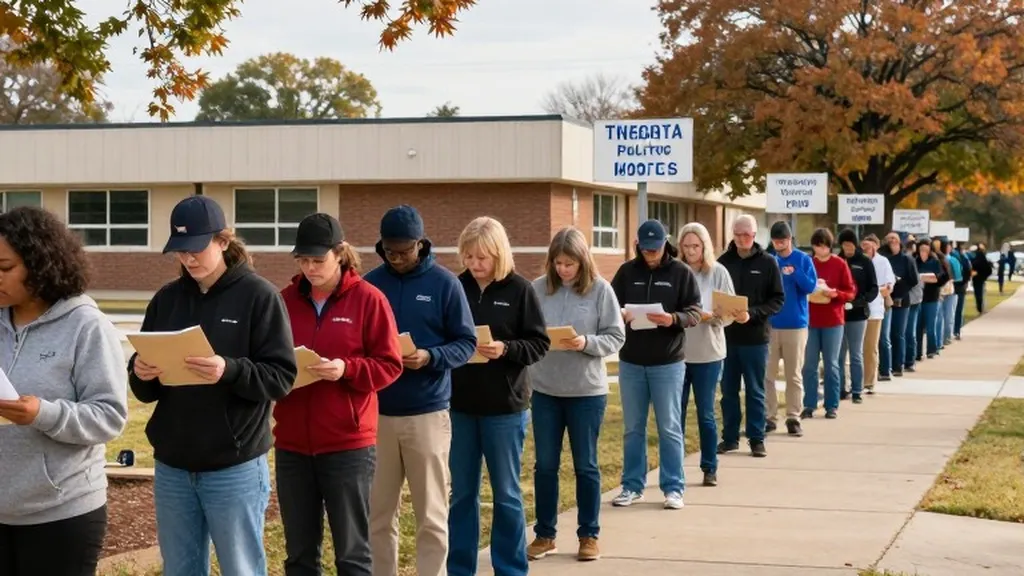
Voters across the South Central United States are heading to the polls on Tuesday, November 3, 2026, facing a pivotal decision that extends far beyond standard midterm stakes. In Texas, polls are open from 7 a.m. to 7 p.m. local time, where residents will choose between Republican Attorney General Ken Paxton and Democrat James Talarico for the open Senate seat. Simultaneously, voters in Oklahoma and Arkansas are casting ballots for their respective Senate and governor races, with polls in both states open from 7 a.m. to 7 p.m. and 7:30 a.m. to 7:30 p.m., respectively. Louisiana, where polls open at 6 a.m. and close at 8 p.m., is deciding its open Senate seat. These races are part of a broader national contest where Democrats need a net gain of four Senate seats to secure a majority, while Republicans can afford to lose only two.
Dominating the campaign rhetoric is President Donald Trump's pledge of a $5,000 check for every American adult, a move he labeled the "Trump Dividend." The promise was made at the Republican Midterm Convention in Dallas last week, where Trump told the crowd that if Republicans win the House and Senate, voters would "win with us" and receive the payment. The administration argues that the strong economy and tariff revenues make this feasible, presenting it as a reward for political loyalty. For Democrats, however, the proposal raises sharp questions about the mechanics of funding such a massive payout and whether the pledge serves as a strategic attempt to buy votes in a tight election.
The financial scale of the promise is staggering. According to the U.S. Census Bureau, there are approximately 245 million adult U.S. citizens, meaning the total cost would be around $1.2 trillion. This expenditure would place significant strain on the federal budget, which is already running a nearly $1.8 trillion annual deficit. Critics point out that the country is currently grappling with persistent inflation and rising interest rates, conditions that make large new spending packages risky. The White House has cited tariff revenue as a potential source, but the Tax Foundation noted that projected tariff income over the next decade would be almost entirely consumed by the cost of these checks.
Despite the presidential enthusiasm, House Speaker Mike Johnson, a Republican from Louisiana, has clarified the procedural requirements for the dividend. Speaking on Sunday, Johnson stated that congressional approval is necessary for the payments to proceed. He described the idea as "creative" but emphasized that Congress must act to implement it. "I would assume, yes, he'd need Congress to act," Johnson said. This statement contrasts with Trump's earlier remarks to CBS News Texas, where the president suggested he did not think Congress needed to authorize the payments, though he did not specify how he would spend over $1 trillion without legislative consent.
Bipartisan criticism has emerged regarding the feasibility of the plan. Republican Congressman Chip Roy of Texas questioned the logic of the payment, writing that "Dependency is evil and soul-sucking in all its forms." On the other side, election law experts have weighed in on the legality of the promise. Rick Hasen, a professor at the UCLA School of Law, noted that while Trump does not have the unilateral power to issue the checks, he likely has a strong First Amendment defense if a state were to challenge the promise as a campaign tactic. Hasen argued that such public promises are a standard part of political rhetoric, provided they are made to all voters.
PolitiFact has analyzed the likelihood of the dividend becoming a reality, concluding that the biggest payment is far from certain. The fact-checkers highlighted that the administration has announced no formal plan for distributing the funds. Furthermore, fiscal experts have cast doubt on the proposal, noting that the required legislation would likely face a steep climb in the Senate. Senator Bernie Moreno of Ohio said he would introduce a bill to fund the proposal, but political analysts suggest that securing the 60-vote supermajority needed to overcome potential procedural hurdles is unlikely. The payment would require a complex legislative process that may not align with the small Republican margin in the House.
The timing of the promise is particularly sensitive for voters in the South Central region, where economic concerns are paramount. In Texas, the Senate race is viewed as a battleground, with Trump backing Paxton over incumbent John Cornyn in the primary. In Arkansas, voters are choosing for an open Senate seat and an open governorship, with incumbent Sarah Huckabee Sanders running for governor. The AP-NORC poll shows that only 35% of U.S. adults approve of Trump's job performance, with 25% approving of his handling of the economy. This low approval rating underscores the challenge for Republicans, who are bracing for the possibility of losing the House while fighting to hold the Senate.
The dividend promise also intersects with broader issues affecting the region, such as the war with Iran and its impact on gasoline prices. Trump has argued that the payments are possible due to the "tremendous economic success" of his administration, yet consumer sentiment remains weak as wages struggle to keep pace with inflation. In a recent interview, Trump claimed that gas prices would "drop like a rock," but he indicated that a deal with Iran to reopen the Strait of Hormuz is not imminent. For voters in states like Texas and Louisiana, where energy production and consumption are critical, the tension between high prices and promised cash dividends is a central theme of the election.