Cost of Living Drives Midterm Vote in Texas, Oklahoma, and South Central States
AP-NORC data shows economic anxiety is the primary concern for voters in key battlegrounds, with polls open across the region.
By Aminata Patterson ·
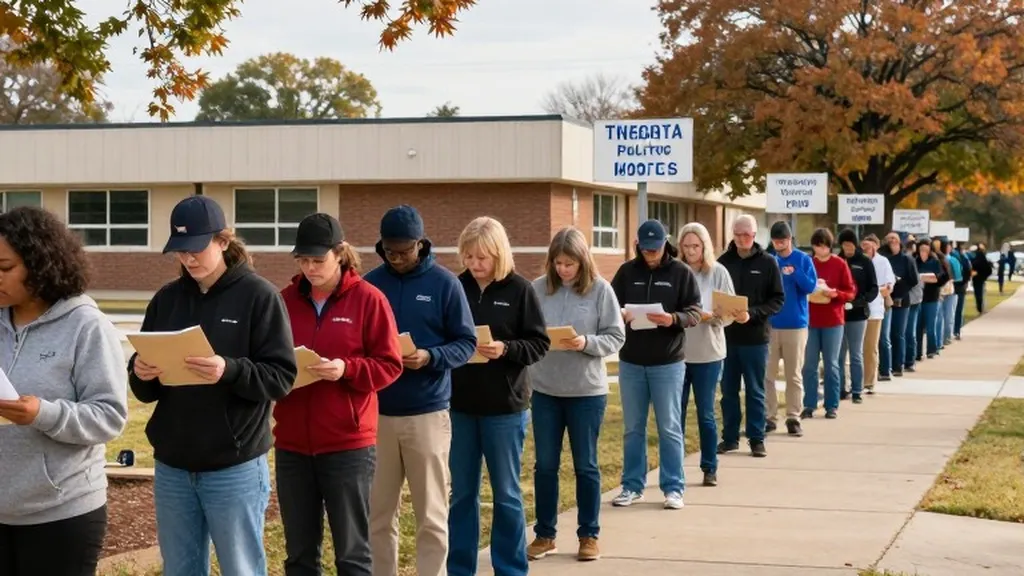
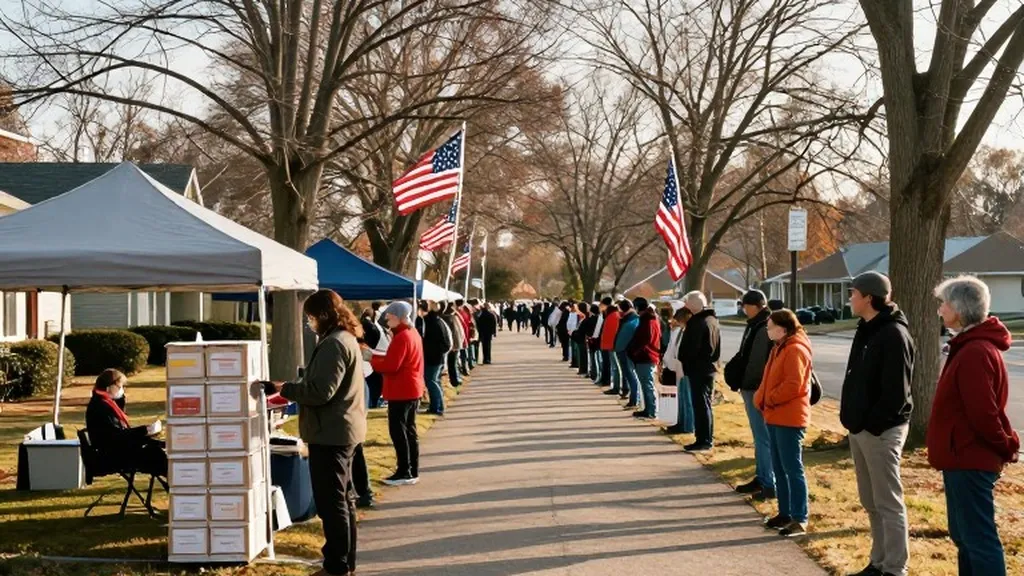
It is Election Day, Tuesday, November 3, 2026, and voters in the South Central region are heading to the polls to decide the balance of power in Congress. According to the Associated Press, the election is being viewed as a referendum on President Donald Trump's second term, with many voters expressing frustration over high prices and an unpopular war with Iran. The Associated Press and NORC polling indicates that 35% of U.S. adults approve of Trump's job performance, while only 25% approve of his handling of the economy. About seven in ten Americans say the country is heading in the wrong direction, and most blame the president for the rise in consumer prices.
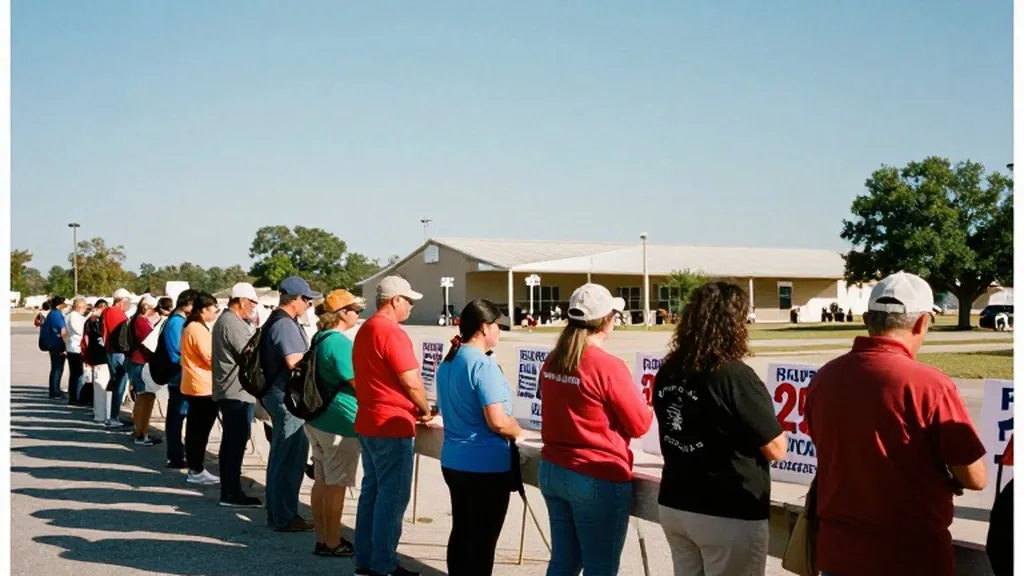
In Texas, polls are open from 7 a.m. to 7 p.m. local time, where voters will decide the outcome of the open Senate seat and the gubernatorial race involving incumbent Greg Abbott. Ballotpedia notes that the state is using a new congressional map following mid-decade redistricting. The Associated Press identifies the Senate race as a key matchup, pitting Republican Attorney General Ken Paxton against Democrat James Talarico. Trump backed Paxton over incumbent Senator John Cornyn in the primary. The AP reports that economic strain and tariffs have made several states, including Texas, highly competitive. In the governor's race, the AP calls Texas a competitive contest, with Democrats hoping to hold a majority of governorships for the first time in two decades.
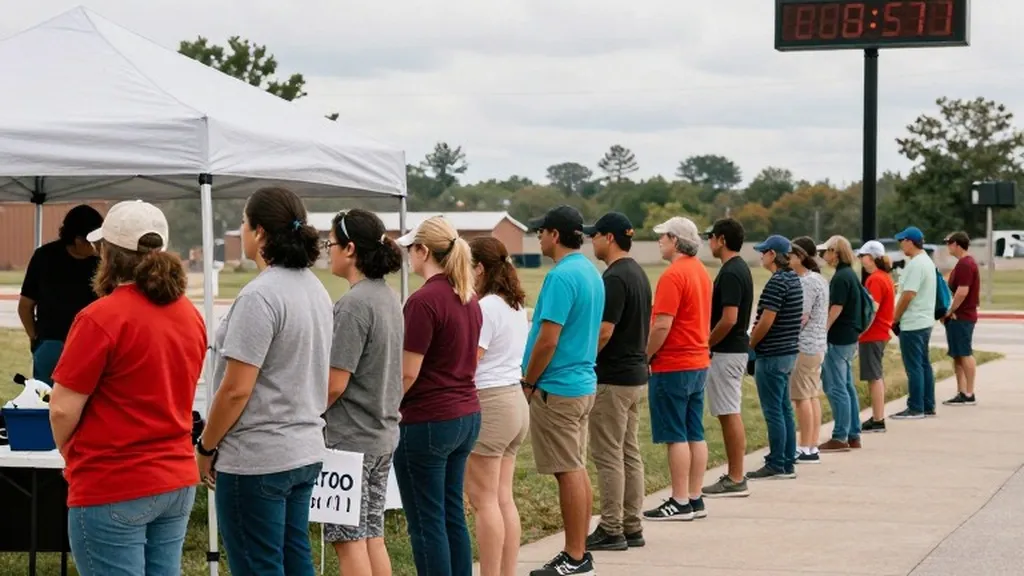
Oklahoma voters are casting ballots in polls that open at 7 a.m. and close at 7 p.m. The state faces an open Senate seat and an open governor's race. Ballotpedia confirms that Oklahoma is one of the states with significant changes to its political landscape, though it is not one of the six states using entirely new congressional maps after redistricting, which includes Texas, North Carolina, Florida, Missouri, Tennessee, and California. The Associated Press notes that Republicans are bracing to lose the House while fighting to hold the Senate. In the South Central region, the focus remains on economic stability, with voters in these states weighing the impact of tariffs on their daily lives.
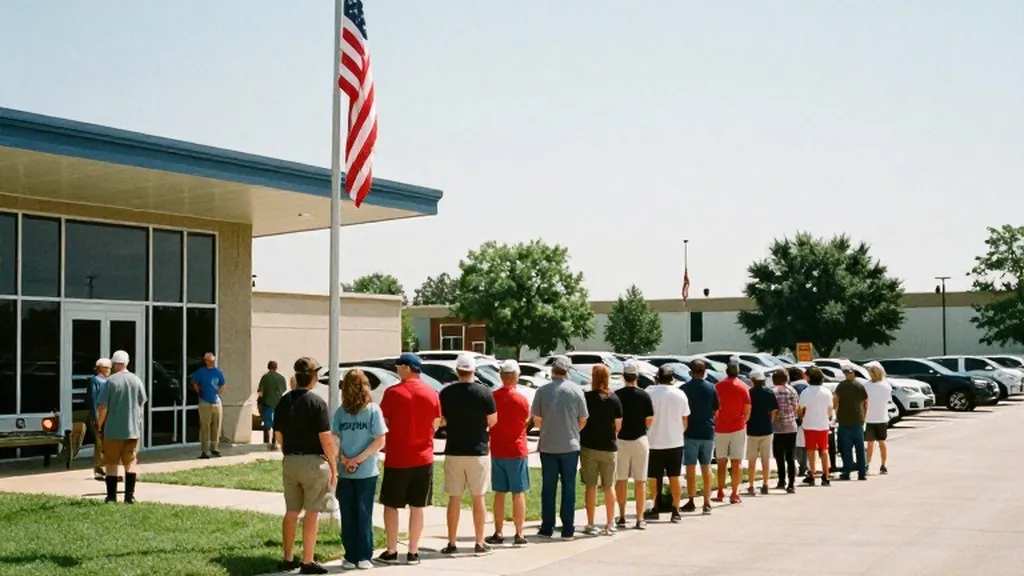
In Louisiana, polls open at 6 a.m. and close at 8 p.m. for Tuesday elections, while Saturday elections follow a different schedule. The state has an open Senate seat but no governor race on the ballot. Ballotpedia highlights that Louisiana is part of the broader Southern political shift that Democrats are monitoring closely. The Associated Press reports that more than 57 million people had already voted as of Monday, surpassing the early vote of four years ago in many closely watched states. This surge in early voting is seen as a sign of high engagement among voters who are concerned about the cost of living.
Arkansas polls open at 7:30 a.m. and close at 7:30 p.m. The state is holding a Senate race with incumbent Tom Cotton and a governor's race with incumbent Sarah Huckabee Sanders. Ballotpedia lists these as key races in the region. The Associated Press notes that Arkansas is not among the states with new congressional maps, but the political dynamics remain intense. Voters in the state are weighing the national economic climate against local issues. The AP-NORC poll suggests that economic anxiety is a dominant factor, with many voters feeling that their purchasing power has diminished significantly over the past year.
Voter sentiment in the region reflects the national mood described by the Associated Press. In Raleigh, North Carolina, a state with a new congressional map, voter James Moore, a 57-year-old librarian, told the AP that he is paying more for taxes, health care, and everything else. His comments mirror the findings of the AP-NORC poll, which shows that most Americans blame the president for high prices. In Palm Beach Gardens, Florida, another state with a new map, voter Mark Barker said he has been following Trump and believes he is doing an awesome job. These contrasting views highlight the deep division in the electorate over the economic performance of the administration.
The Associated Press reports that Republican committees have outraised and outspent Democratic committees, helped by Trump-affiliated groups and Elon Musk. However, at the candidate level, Democrats have outraised their opponents. An analysis by the AP of AdImpact data shows that 88.1% of Republican general election TV ad spending went to states and districts Trump won in 2024. This spending strategy is evident in the South Central region, where Republicans are trying to defend their seats in the House and Senate. The AP notes that one or two seats could tip either chamber, making the economic message a critical component of the campaign.
In the South Central states, the new congressional maps in Texas and North Carolina are expected to play a significant role in the House races. Ballotpedia notes that six states are using new maps, and Ohio is also using a new map. The AP reports that 21 Democratic-held districts voted for Trump in 2024, while nine Republican-held districts voted for Kamala Harris. This overlap suggests that the new maps may not guarantee safe seats for either party. Democrats need a net gain of three districts for a majority, while Republicans can lose no more than two. The economic issues are likely to be a deciding factor in these closely contested districts.
The Associated Press describes the election as a moment where Democrats are cautiously optimistic, while Republicans are fighting to avoid the typical midterm loss for the president's party. RNC Chairman Joe Gruters said that everything depends on turnout, emphasizing the need to mobilize the base. DCCC Chair Rep. Suzan DelBene stated that the American people are angry and want change. These statements reflect the high stakes of the election, with the potential for investigations and impeachment proceedings if Democrats win control of either chamber. The economic message is central to both parties' strategies in the South Central region.