Iran War and Cost of Living Drive Texas and Southern Midterm Choices
Voters in Texas, Oklahoma, Louisiana, and Arkansas weigh the unpopular conflict and economic strain as they decide the fate of Congress.
By Rosa Kovalenko ·
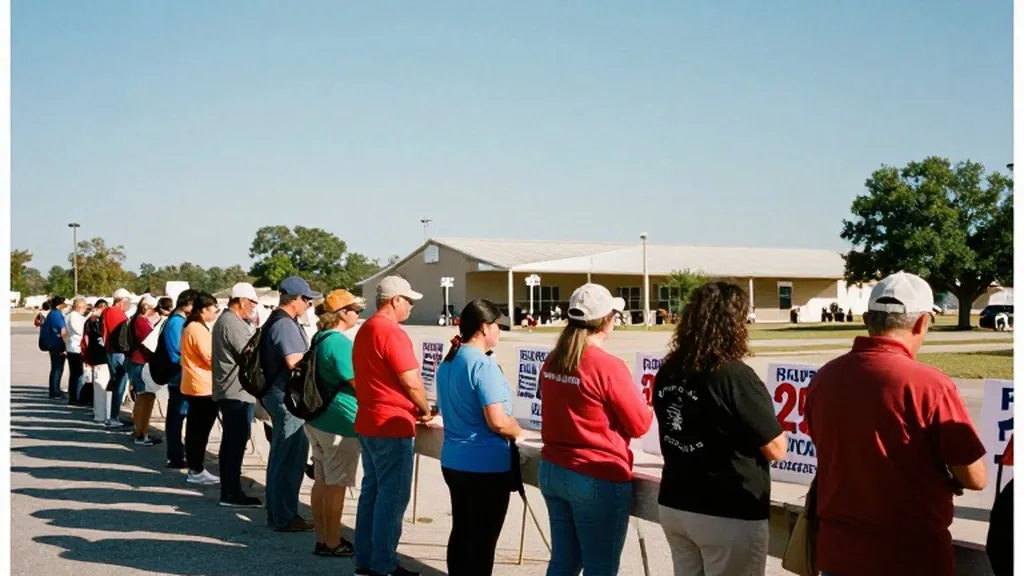
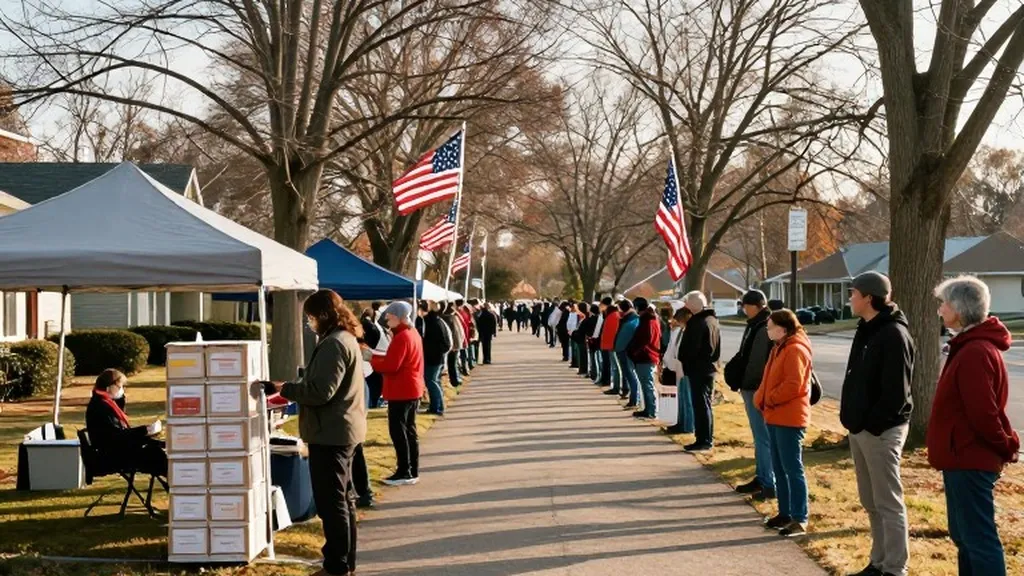
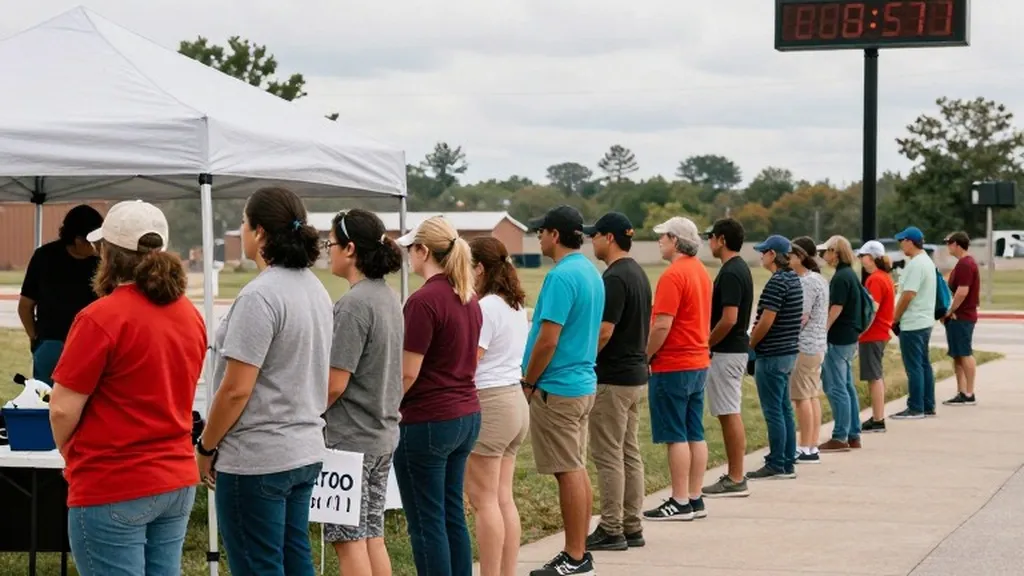
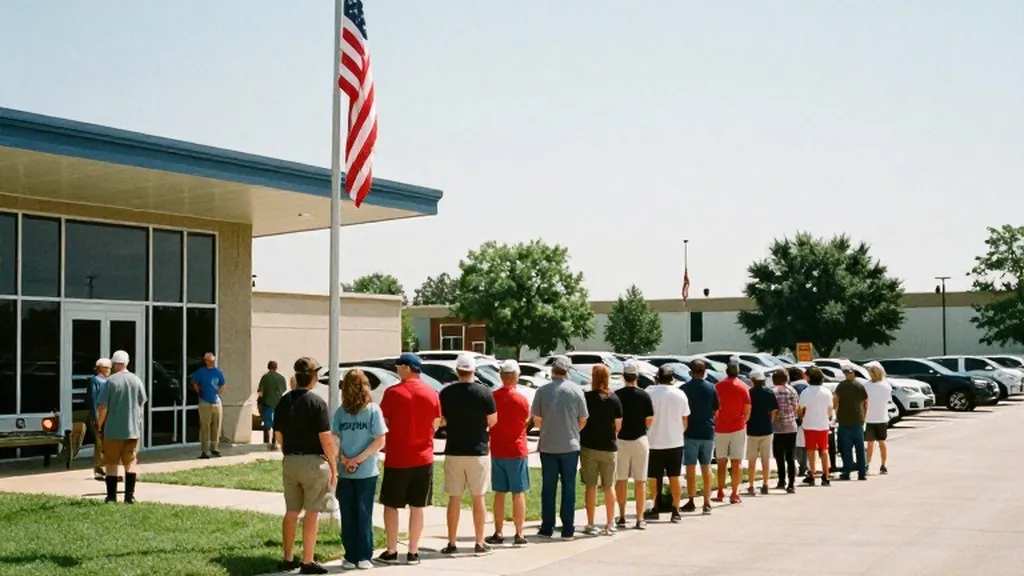
Polls are open across the South Central United States, with voters in Texas, Oklahoma, Louisiana, and Arkansas heading to the polls to decide the outcome of a midterm election that the Associated Press describes as a referendum on President Donald Trump’s second term. In Texas, polls are open from 7 a.m. to 7 p.m., while in Oklahoma they remain open during the same hours. Louisiana voters have a wider window, with polls open from 6 a.m. to 8 p.m. in Tuesday elections, and Arkansas polls are open from 7:30 a.m. to 7:30 p.m. The stakes in these states are high, as the results will determine which party controls Congress for the final two years of the current presidential term.
The Associated Press notes that voters are struggling with high prices and are angry over an unpopular war with Iran. This sentiment is particularly acute in the South, where the cost of living and health care have become central issues for Democratic voters. In the Texas Senate race, Republican Attorney General Ken Paxton is facing Democrat James Talarico. President Trump backed Paxton over incumbent Senator John Cornyn in the primary, but the race remains a focal point for national attention given the state’s importance in the Senate balance of power.
Oklahoma and Louisiana are also holding open Senate seats, adding to the uncertainty for both parties. In Louisiana, the absence of a governor race simplifies the ballot, but the Senate contest remains a key battleground. Arkansas presents a different challenge, with incumbent Republican Senator Tom Cotton and incumbent Republican Governor Sarah Huckabee Sanders both on the ballot. The Associated Press reports that most Americans blame the president for high prices, and about 7 in 10 say the country is heading in the wrong direction, a mood that is resonating with Democratic strategists in these states.
Early voting has already set records, with more than 57 million people having voted as of Monday, surpassing the early vote of four years ago in many closely watched states. In Texas, the new congressional map following mid-decade redistricting is adding a layer of complexity, as Republicans are fighting to hold the Senate and Democrats are bracing to potentially take the House. The Associated Press analysis of AdImpact data shows that 88.1% of Republican general election TV ad spending went to states and districts Trump won in 2024, including more than $850 million where he won by 10 points or more, a strategy that is heavily focused on the South.
Democratic figures are emphasizing the need for oversight and a focus on the cost of living. House Democratic Leader Hakeem Jeffries has outlined a 100-day agenda that includes these priorities, and his leadership is seen as a potential boost for the party if they win a chamber. In the South, Democrats are looking to capitalize on the discontent over the Iran war, which has become a significant point of contention in the region. The conflict has drawn criticism from both sides of the aisle, but it appears to be hitting harder with voters who feel the economic pinch.
Republican committees have outraised and outspent Democratic committees, helped by Trump-affiliated groups and Elon Musk, but at the candidate level, Democrats have outraised their opponents. This financial dynamic is playing out in the South, where local races are seeing a surge in advertising. The Associated Press notes that Republicans were bracing to lose the House and fighting to hold the Senate, with one or two seats potentially tipping either chamber. In Texas, the governor’s race between incumbent Greg Abbott and his challenger is also drawing attention, as the AP calls it a competitive race.
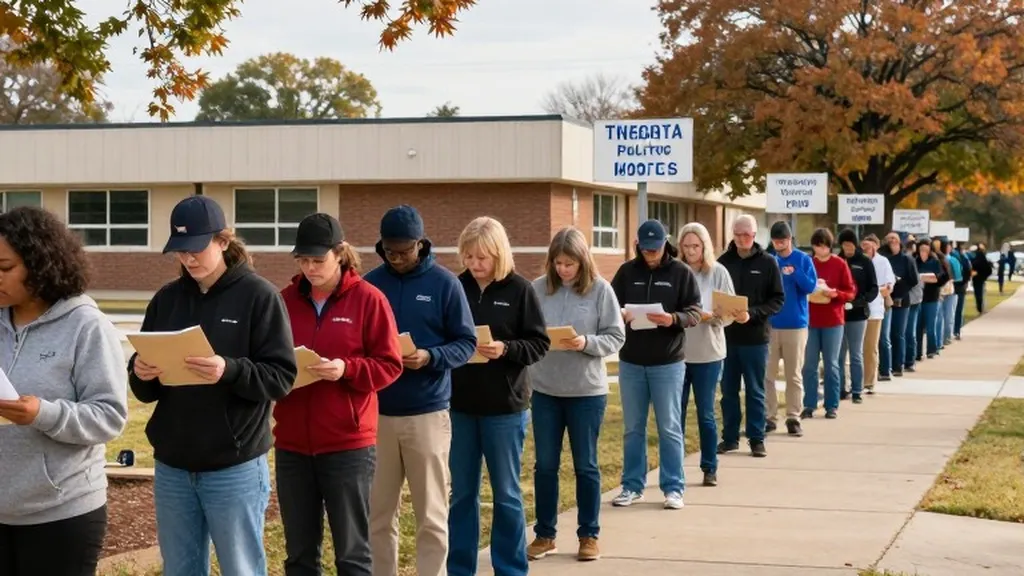
The mood in polling places across the region reflects a mix of frustration and hope. Voters are weighing the administration’s handling of the Iran war against their own economic realities, with many citing higher taxes and health care costs. In Oklahoma, the open Senate seat and governor’s race are drawing significant attention, as the state has become a key battleground for Senate control. The AP notes that economic strain and tariffs have made states like Maine competitive, and similar dynamics are at play in the South Central region.
As polls close, the focus shifts to the final hours of voting, with the U.S. Postal Service adding hours and staff to ensure mail ballots are counted on time. In Louisiana, the extended voting hours allow for a broader participation, while in Arkansas, the earlier closing time may impact turnout. The Associated Press reports that the election is being closely watched by Wall Street, with results potentially adding to investor concerns about AI spending and debt ceiling negotiations. The Iran war, in particular, is seen as a factor that could influence market stability in the coming weeks.
The outcome of these races will have significant implications for the administration’s ability to govern in its final two years. If Democrats win even one chamber, investigations and possible impeachment proceedings become likely, a prospect that is driving turnout efforts on both sides. In the South, the race for the House is particularly intense, with 46 battleground districts identified by Ballotpedia. The new maps in Texas and other states may not vote as drawn, adding an element of unpredictability to the final tally.
Voters in these states are making their choices with the knowledge that their decisions will shape the direction of the country for the next two years. The Associated Press describes the election as a moment of reckoning for the administration, with the Iran war and the cost of living serving as the primary drivers of voter sentiment. As the polls close, the focus turns to the count, with the expectation that the results will provide a clear signal on the state of the nation and the path forward for Congress.