What a Democratic Wave Means for Oversight in the Final Two Years
Voters in Texas and the South Central states are deciding whether the House or Senate will control investigations of the Trump administration in the next two years.
By Aminata Patterson ·
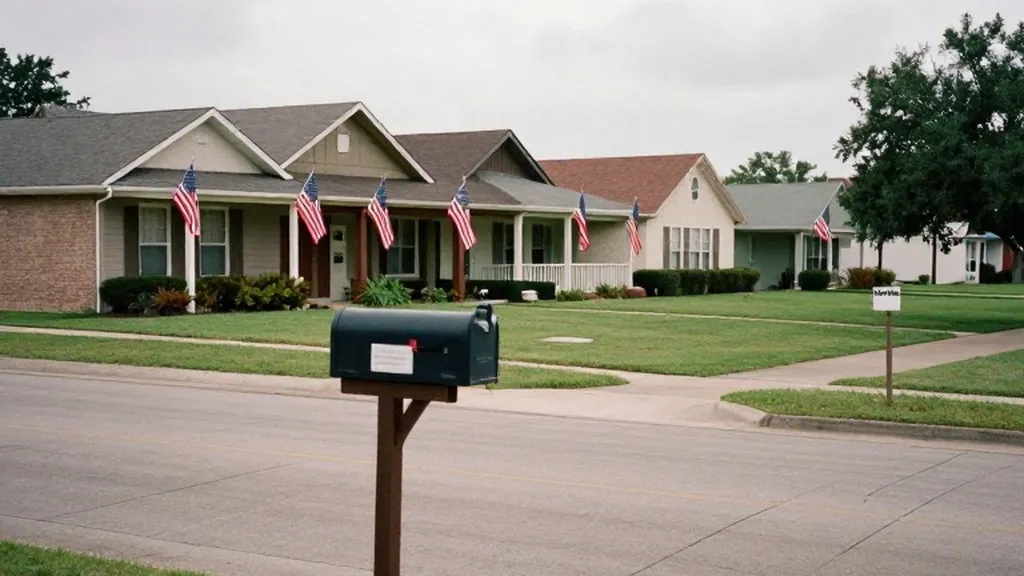
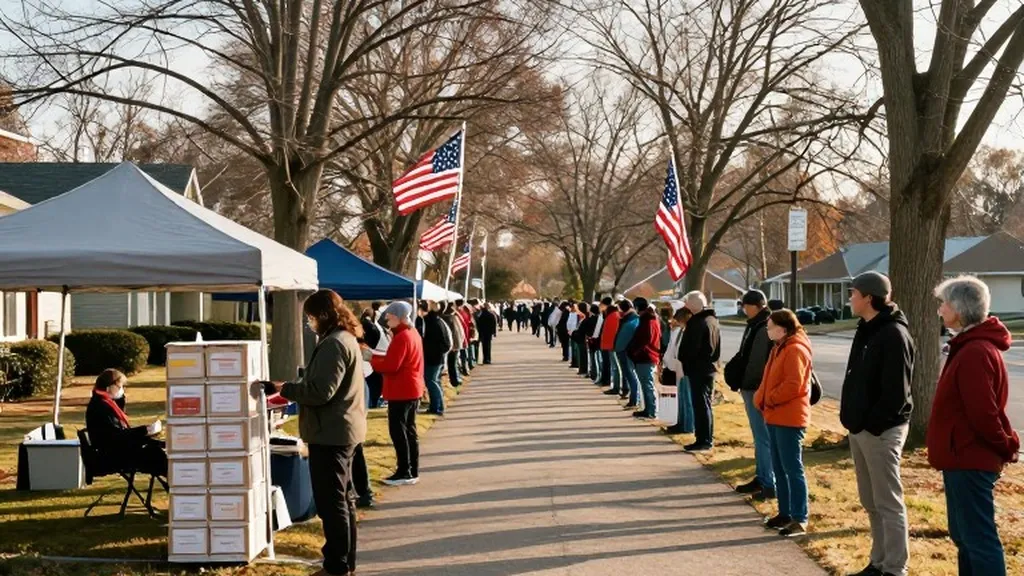
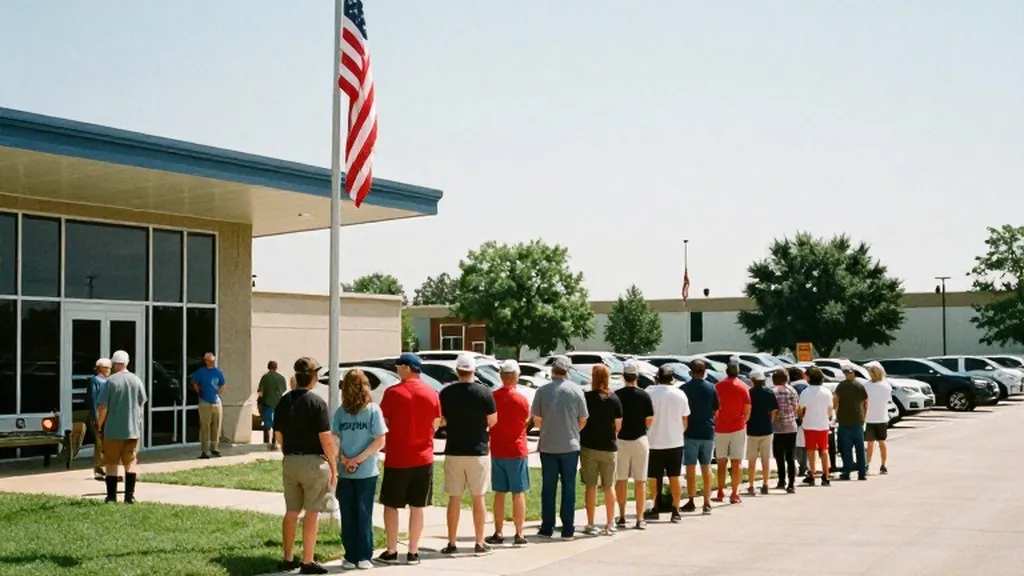
Polls are open across the nation as voters head to the polls on Tuesday, November 3, 2026, to decide the balance of power in Congress. The Associated Press describes this midterm election as a referendum on President Donald Trump's second term, with many citizens citing high prices and an unpopular war with Iran as primary drivers. In Texas, polls are open from 7 a.m. to 7 p.m., while in neighboring Oklahoma and Arkansas, voting hours are also 7 a.m. to 7 p.m., with Arkansas closing at 7:30 p.m. Louisiana voters have a longer window, with polls open from 6 a.m. to 8 p.m. on Tuesday.
The outcome of this election will determine which party controls the legislative branch for the president's final two years in office. Democrats currently hold 214 seats in the House and need a net gain of three districts to secure a majority. In the Senate, Democrats hold 45 seats and require a net gain of four seats to take control. Republicans can afford to lose no more than two seats in either chamber to maintain their current majorities. This math makes every district in the South Central region pivotal for the national balance of power.
If Democrats take control of either chamber, investigations into the administration become likely, and potential impeachment proceedings could follow. House Democratic Leader Hakeem Jeffries has outlined a specific 100-day agenda focused on the cost of living and oversight of the executive branch. This agenda would prioritize hearings on the administration's handling of the Iran conflict and its economic policies. Such a shift would mark a significant change in the dynamic between the White House and Congress.
In Texas, the Senate race is particularly high stakes as it is an open seat following the retirement of John Cornyn. The Associated Press notes that Republican Attorney General Ken Paxton, whom Trump backed over Cornyn in the primary, is facing Democrat James Talarico. The AP reports that the state voted for Trump by 13.6 points in 2024, making the race competitive. A win here would help Democrats close the gap in the Senate, while a loss would solidify Republican control of the upper chamber for the final two years of the term.
The cost of living remains the central issue for voters, according to the Associated Press. A recent AP-NORC poll indicates that 35% of U.S. adults approve of Trump's job performance, while only 25% approve of his handling of the economy. About seven in ten Americans say the country is heading in the wrong direction, with most blaming the president for high prices. In Raleigh, North Carolina, a voter named James Moore told the AP that he is paying more for taxes, healthcare, and everything else, reflecting the sentiment of many in the South Central region.
Redistricting plays a major role in these elections, with six states using new congressional maps after the mid-decade process. Texas is among the states using a new map, which could affect the competitiveness of House districts. Republicans attempted to use these new lines to protect their seats, but Democrats argue that the lines may not vote as drawn. The new maps in Texas and elsewhere are critical factors in the fight for the House majority, as small shifts in district boundaries can determine control of the chamber.
Money in politics is also a significant factor, with the 2026 elections likely to be the most expensive in history. Republican committees have outraised and outspent Democratic committees, aided by Trump-affiliated groups and Elon Musk. However, at the candidate level, Democrats have outraised their opponents. According to AP analysis of AdImpact data, 88.1% of Republican general election TV ad spending went to states and districts Trump won in 2024, including more than $850 million in areas where he won by 10 points or more. This spending strategy highlights the focus on defending Republican strongholds in the South.
In the governor's race in Texas, incumbent Greg Abbott is seeking another term. The AP calls the Texas governor's race competitive, along with Florida and Iowa. Abbott faces a challenge from the Democratic field, and the outcome will influence the state's direction on issues like healthcare and the economy. In Oklahoma, the governor's race is also open, with no incumbent on the ballot. Louisiana does not have a governor's race on the ballot this year, but the state's Senate seat is up for grabs.
The mood among Democratic leaders is described as cautiously optimistic by the Associated Press. They are bracing for a potential wave that could boost potential 2028 candidates like Gavin Newsom, JB Pritzker, and Pete Buttigieg. A strong Democratic night could complicate the path for Vice President JD Vance, who is also vying for the 2028 nomination. Democrats hope to hold a majority of governorships for the first time in two decades, which would provide a stronger platform for their candidates in the next presidential cycle.
Voters are also navigating some administrative challenges, including a federal judge's temporary bar on a Trump administration plan to prevent noncitizen voting. Critics say the plan risks disenfranchising eligible voters, while the administration argues it is necessary to ensure integrity. The U.S. Postal Service has added hours and staff to ensure mail ballots are counted on time. These logistical issues are being closely watched by both parties, as they could impact the final tallies in close races across the South Central states.
As polls open, voters in Texas, Oklahoma, Arkansas, and Louisiana are making their choices in what is shaping up to be a decisive moment for the next two years. The results will determine whether the House or Senate takes the lead in investigating the administration and implementing new policies. With so much riding on these outcomes, the focus remains on the practical impact of each vote on the daily lives of citizens in these states.