Texas and South Central voters decide Congress with 57 million already voting
With polls open across the South Central region, party leaders say turnout will determine if Democrats can seize control of Congress from a Republican administration facing high costs and an unpopular war.
By Tariq Carter ·
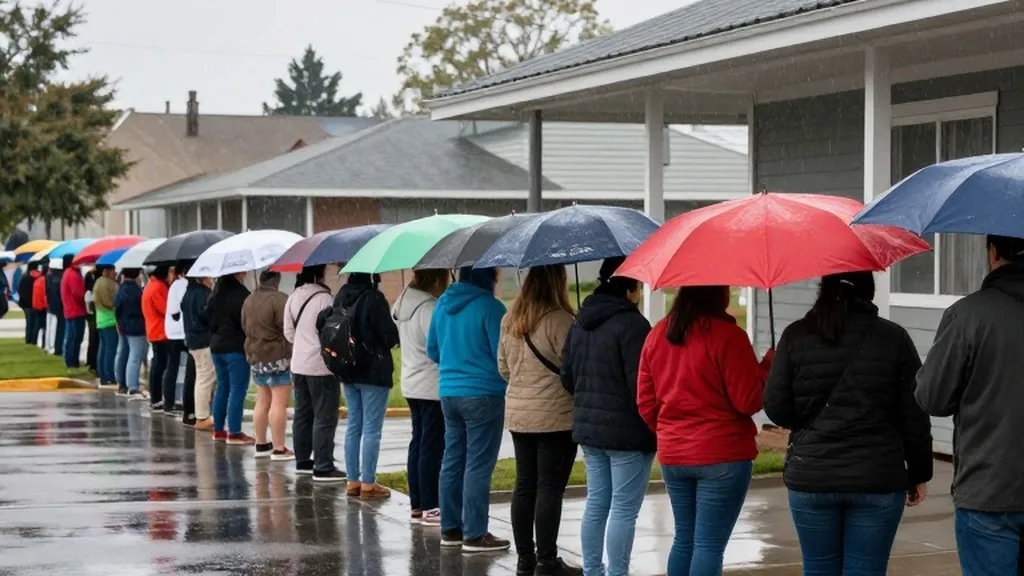
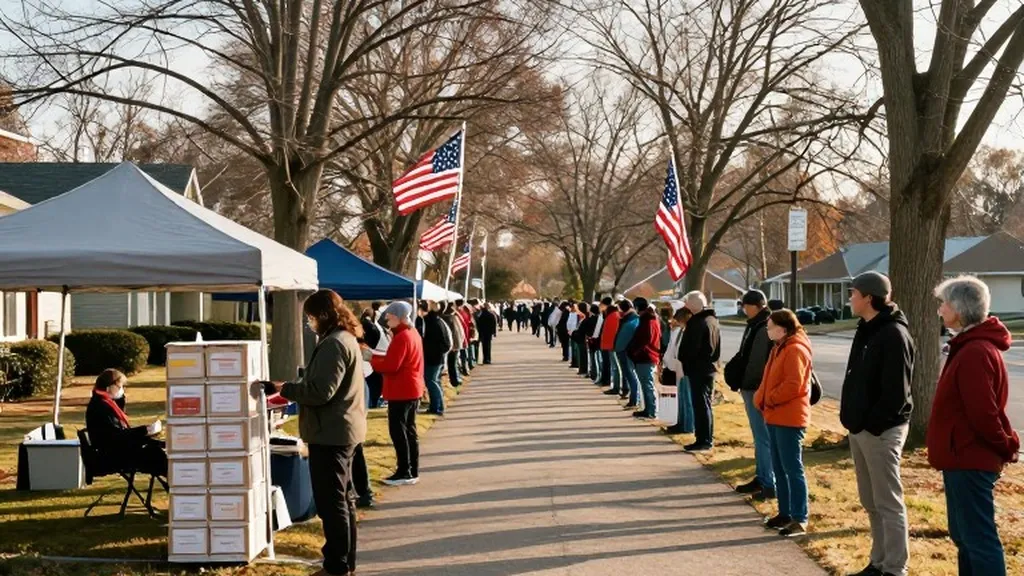
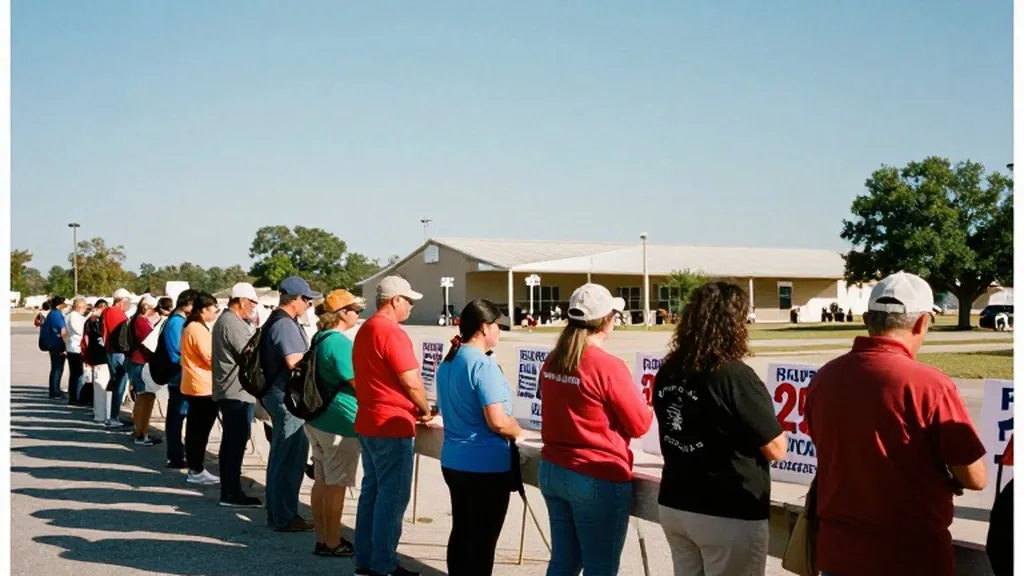
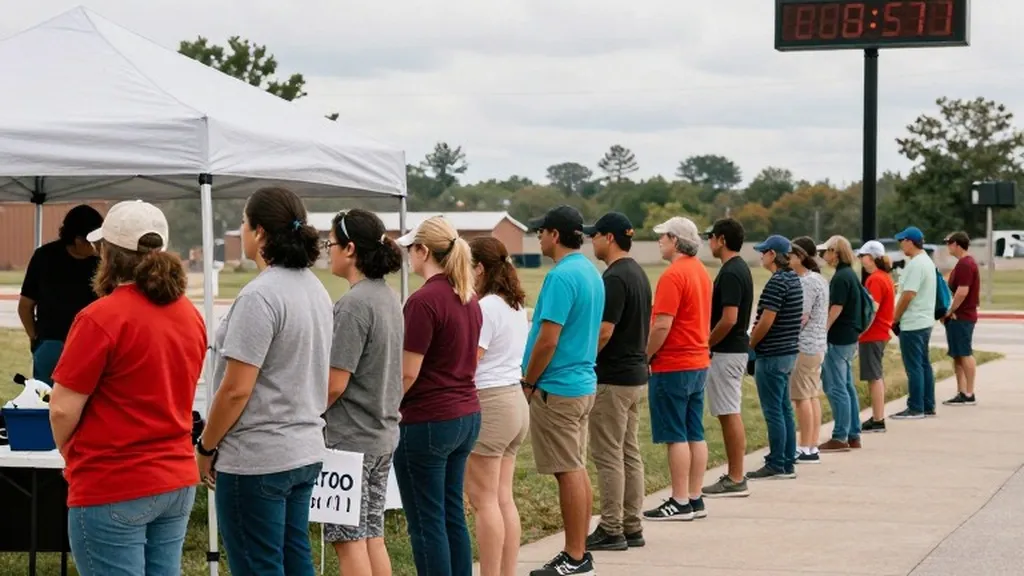
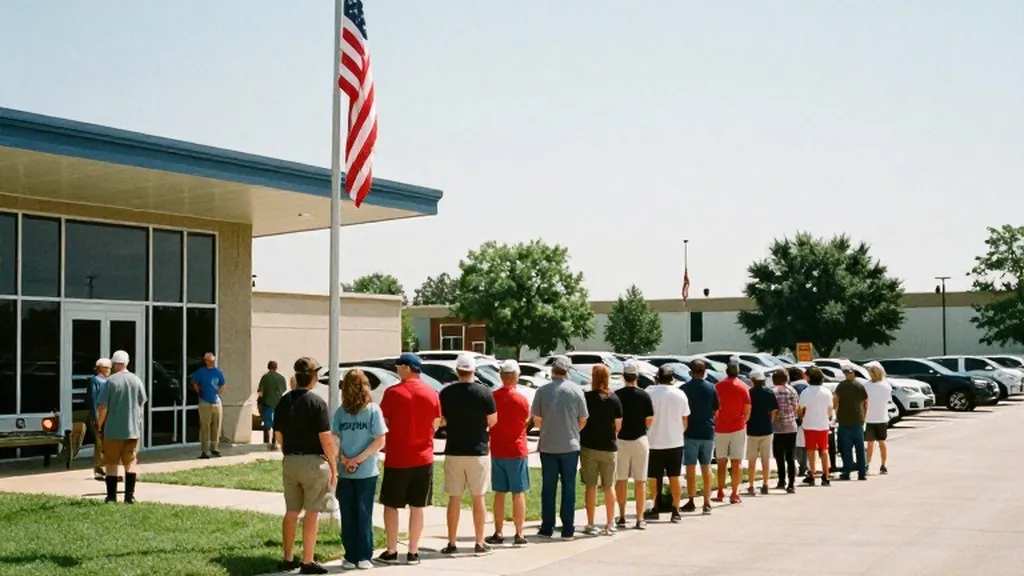
Polls are open across Texas, Oklahoma, Louisiana and Arkansas as voters cast their ballots in the 2026 midterm elections. In Texas, polls are open from 7 a.m. to 7 p.m., while in Oklahoma they remain open from 7 a.m. to 7 p.m. Louisiana voters can cast ballots from 6 a.m. to 8 p.m., and in Arkansas polls are open from 7:30 a.m. to 7:30 p.m. According to the Associated Press, more than 57 million people had already voted as of Monday, surpassing the early vote totals of four years ago in many closely watched states.
The Associated Press describes this election as a referendum on President Donald Trump's second term, noting that voters are struggling with high prices and are angry over an unpopular war with Iran. A recent AP-NORC poll found that 35 percent of U.S. adults approve of Trump's job performance, while only 25 percent approve of his handling of the economy. About seven in ten adults say the country is heading in the wrong direction, with most blaming the president for high prices. This sentiment is driving the ground game in the South Central states, where cost of living and health care are central themes.
Republican National Committee Chairman Joe Gruters stated that everything depends on turnout, asserting that if Republicans turn out their voters, they will win. This assessment reflects the party's strategy to hold the Senate while bracing for potential losses in the House. Democratic Congressional Campaign Committee Chair Rep. Suzan DelBene countered that the American people are angry and want change. Both parties are focused on the ground game, with Democrats hoping to use economic dissatisfaction to flip seats in states like Texas, where the Senate race is an open seat and the governor's race features incumbent Greg Abbott.
In the South Central region, voters face critical decisions regarding the control of Congress. In Texas, the Senate seat is open, and the race pits Republican Attorney General Ken Paxton against Democrat James Talarico. Paxton received the support of President Trump over former Sen. John Cornyn in the primary. In Oklahoma, there is an open seat for the Senate race and an open seat for the governor's race. In Louisiana, there is an open seat for the Senate race, with no governor race on the ballot. In Arkansas, incumbent Sen. Tom Cotton is running for re-election, and incumbent Gov. Sarah Huckabee Sanders is also seeking another term.
The Associated Press reports that Republicans are bracing to lose the House and are fighting to hold the Senate, with one or two seats potentially tipping either chamber. Democrats are described as cautiously optimistic. In the Senate, Democrats need a net gain of four seats for a majority, while Republicans can lose only two. In the House, Democrats need a net gain of three districts for a majority, while Republicans can lose no more than two. Ballotpedia counts 46 battleground districts nationwide, with 25 held by Democrats and 21 by Republicans.
Financial dynamics are playing a significant role in the election. The 2026 elections are likely to be the most expensive in history, with Republican committees outraising and outspending Democratic committees at the committee level. This is partly due to support from Trump-affiliated groups and Elon Musk. However, at the candidate level, Democrats have outraised their opponents. Analysis by the Associated Press of AdImpact data shows that 88.1 percent of Republican general election TV ad spending went to states and districts that Trump won in 2024, including more than $850 million in areas where he won by 10 points or more.
Voter sentiment in the region reflects the broader national mood. James Moore, a 57-year-old librarian in Raleigh, North Carolina, told the Associated Press that he is paying more taxes, more for health care, and more for everything. In contrast, Mark Barker of Palm Beach Gardens, Florida, said he has been following Trump and thinks he is doing an awesome job. These divergent views highlight the polarization that both parties are trying to navigate through their respective ground games in the South Central states.
The administration has also been involved in legal battles regarding election administration. A federal judge temporarily barred the Trump administration from carrying out a plan to prevent noncitizen voting, a move critics say risks disenfranchising eligible voters. The administration also sued in Alaska and California, and Democrats fear interference and intimidation as the Justice Department threatens to prosecute local election officials. These legal moves add a layer of complexity to the election day operations in states like Texas and Louisiana.
Voters in Texas and the South Central states are deciding who will control Congress for the final two years of Trump's second term. The results will determine the balance of power in the Senate and the House, with significant implications for oversight and investigations. If Democrats win even one chamber, investigations and possible impeachment proceedings become likely. House Democratic Leader Hakeem Jeffries has outlined a 100-day agenda focused on the cost of living and oversight should Democrats win the House.
The U.S. Postal Service has added hours, staff and special lines to ensure mail ballots are counted on time. Wall Street is also watching the results, with Reuters noting that outcomes could add to investor concerns about AI spending and debt ceiling negotiations. As polls remain open across the region, the focus is on turnout and the ability of both parties to mobilize their base in a highly contested mid-decade election.
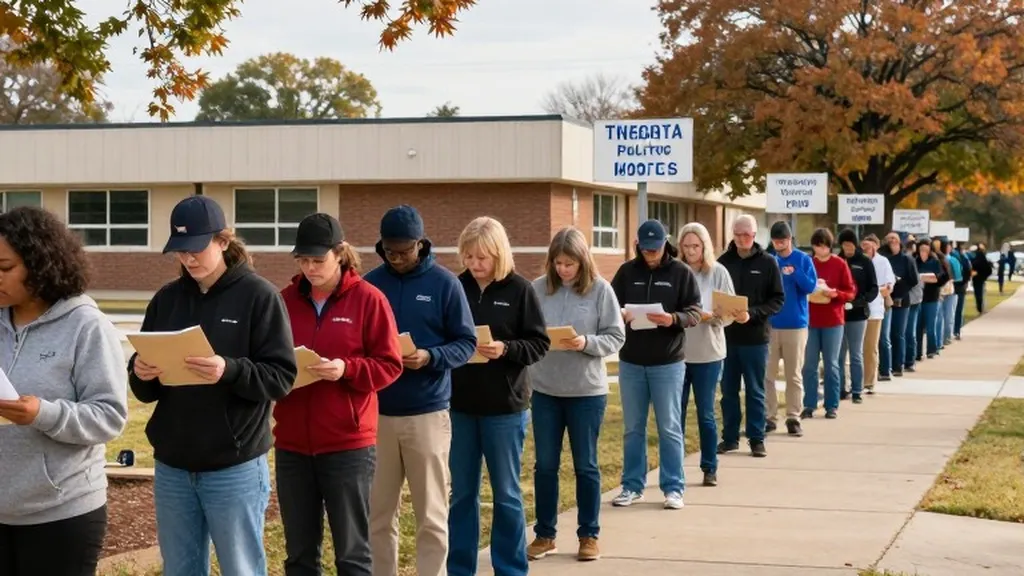
Voters in line when polls close are entitled to vote, according to Ballotpedia. ID rules vary by state, and voters are advised to check their state's rules before going to the polls. The election is being closely watched as a test of the Republican strategy to beat the traditional midterm pattern of losing seats. New congressional maps in states like Texas may also play a role, as districts drawn after mid-decade redistricting may not vote as expected.