Israelis Weigh Three Years of War in Tight Knesset Vote
With no clear winner expected in the 120-seat parliament, the election has become a direct contest over Prime Minister Benjamin Netanyahu's handling of the post-October 7 conflicts.
By Tariq Carter ·
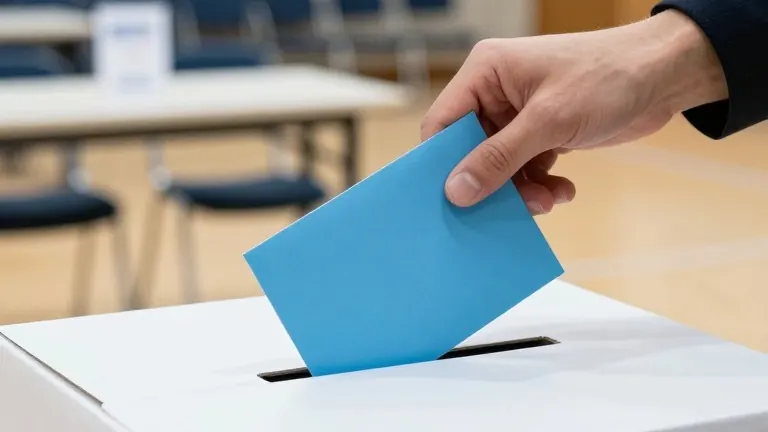
Israeli voters cast ballots on Tuesday in a national election that functions as a referendum on Prime Minister Benjamin Netanyahu's leadership since the Hamas-led attack on October 7, 2023. The vote determines the composition of the 120-member Knesset, where parties must form alliances to secure a 61-seat majority. Opinion polls indicate a tight race with no clear victor, setting the stage for prolonged coalition negotiations among approximately a dozen parties expected to clear the 3.25% threshold.
The campaign has focused heavily on the security failures of the past three years and the ongoing wars in Gaza, Lebanon, and against Iran. Former military chief Gadi Eisenkot, Netanyahu's leading rival, met with residents in Ofakim, a community attacked in 2023, to emphasize the stakes. Eisenkot, who lost his son and two nephews in the conflict, vowed to dismantle Hamas's governing force within 18 months if he forms the next government. He stated that a responsible government would begin its term near the Gaza border.
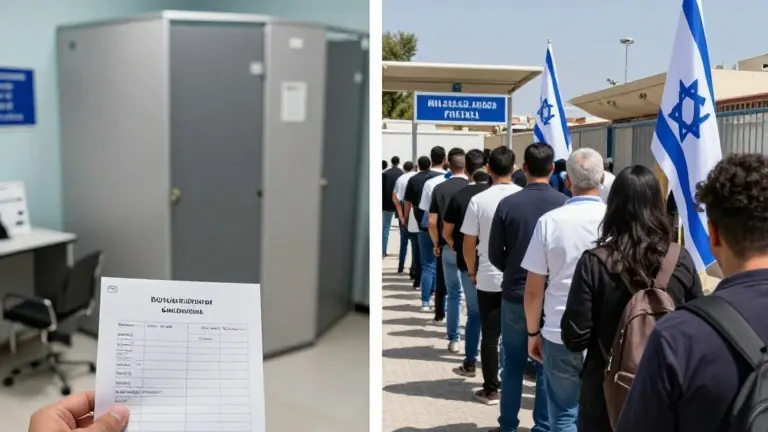
At polling stations across the country, voters expressed conflicting views on security and the future. In Jaffa, Haim Ron, 69, voted for Eisenkot, citing a desire for a country where children can grow up in peace. In Jerusalem, Noga Mizrahi, who traveled from kibbutz Nirim after the October 7 attack, described the election as the most critical in her lifetime. Conversely, Nisim Cohen, a reservist voting in Jerusalem, argued that Netanyahu is not responsible for the initial attack and should continue the wars until Israelis can sleep peacefully.
Tensions extended to the mechanics of the vote. Mansour Abbas, leader of the Ra'am party, said three of his activists were arrested overnight in the Negev Desert on suspicion of bribery, a move he called undemocratic. Police denied interfering with the election. Abbas, whose party may become a kingmaker if neither major bloc secures a majority, urged supporters to vote despite shortages of Arabic ballots at some locations. Itamar Ben-Gvir, Israel's national security minister, also voted and expressed hope for a future role as defense minister.
The Central Elections Committee reported that 17% of eligible voters, or 1.2 million people, had cast ballots by 10 a.m. This early figure is being tracked against a historical average of roughly 70% turnout, with the record high of 86.9% set in 1949. More than 7.3 million Israelis are eligible to vote, including 330,000 young adults who spent high school years during the recent conflicts. Polling stations, numbering around 12,000, are scheduled to close at 10 p.m., after which ballots will be counted by hand at each site.
The outcome will determine whether Netanyahu continues his nearly two-decade dominance or faces a political exit. A victory would cement his status as a political survivor, while a defeat could end his career. The election follows a late endorsement from U.S. President Donald Trump earlier in October, which came after Netanyahu had already promoted his relationship with the American leader as a key selling point to voters.
Source: WTOP News