Israeli Election: Netanyahu Faces Eisenkot in Tight Knesset Race
More than 7.3 million voters cast ballots Tuesday in a contest where polls show no clear winner, forcing parties into prolonged coalition negotiations.
By Aminata Patterson ·
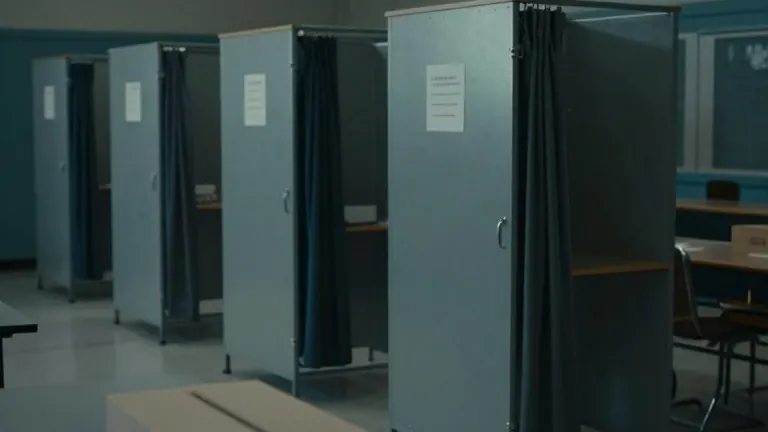
Prime Minister Benjamin Netanyahu faces a critical test in Tuesday's national election, with polls indicating a tight race against former military chief Gadi Eisenkot. The vote determines the 120 seats in the Knesset, a parliament where no single party has ever secured the 61-seat majority required to form a government. With no clear victor expected, the results will likely trigger weeks or months of coalition building among approximately a dozen parties.
Eisenkot campaigned in Ofakim, a southern community attacked by Hamas-led militants on Oct. 7, 2023, aiming to highlight security failures under Netanyahu's leadership. The former military chief lost his son and two nephews in the Gaza war. His campaign focuses on holding Netanyahu accountable for the events of Oct. 7 and the subsequent inability to convert battlefield successes into diplomatic gains.
Netanyahu, 77, has dominated Israeli politics for nearly two decades. A loss could end his long career, while a victory would solidify his reputation as a political survivor. U.S. President Donald Trump backed Netanyahu earlier this month, a late endorsement that underscored the prime minister's reliance on his relationship with the Republican president as a key campaign asset.
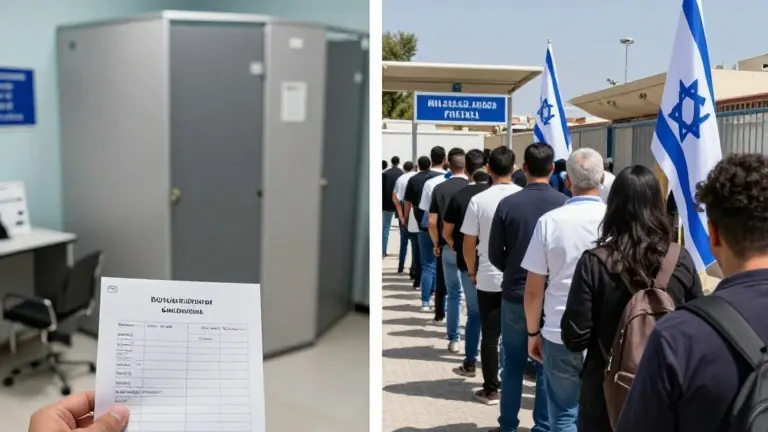
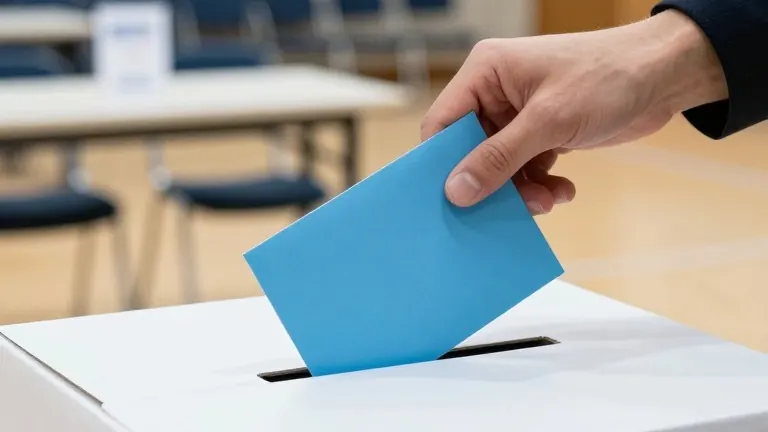
According to Israel’s Central Election Committee, more than 7.3 million Israelis are eligible to vote. This includes around 330,000 young voters who attended high school during the recent wars. Approximately 12,000 polling stations opened across the country, with most closing at 10 p.m. Ballots are counted manually at each location immediately after voting concludes.
Emotions ran high at polling stations. In Jerusalem, Noga Mizrahi, a voter from kibbutz Nirim, described the election as "critical" and unlike anything before. In Tel Aviv, families of those killed in the 2023 attack and former hostages observed a moment of silence. Yona Adam, whose son Mapal was killed, urged voters to "remember all those whose voices are no more."
In Kiryat Shmona, a Netanyahu stronghold near the Lebanese border, a man tore down a poster of Eisenkot. Meanwhile, in Jerusalem, Nisim Cohen, a reservist, voted for Netanyahu, stating that the prime minister is not responsible for Oct. 7 and should continue wars in Gaza, Lebanon, and Iran until peace is achieved.
Volunteer observers monitored the process to ensure procedural integrity. Eyal Sher, who volunteered with the civil society group Elections Guards, cited a desire to protect the vote from a government he called corrupt. "Every vote counts and we want to make sure the procedures are kept intact," Sher said.
The campaign focused heavily on Netanyahu's role in the security breakdown of Oct. 7, his efforts to exempt ultra-Orthodox Jews from military service, and a 2023 judicial overhaul. Critics viewed the overhaul as an assault on democratic institutions. While the war in Gaza led to an international arrest warrant for Netanyahu, there was little debate over Israel's wartime conduct in that conflict.
Israel’s occupation of parts of southern Lebanon and Syria, along with two wars against Iran, enjoys broad support among Israelis. The candidates positioned the election as a choice between continued security under Netanyahu and accountability under Eisenkot. The outcome will depend on which bloc can assemble a majority coalition in the fragmented Knesset.
Source: Philadelphia Daily News