Courts intervene as Trump administration fights voting rules in key states
Federal judges blocked enforcement of noncitizen voting plans and California ballot segregation orders on Election Day, adding legal uncertainty to the midterms.
By Rosa Kovalenko ·
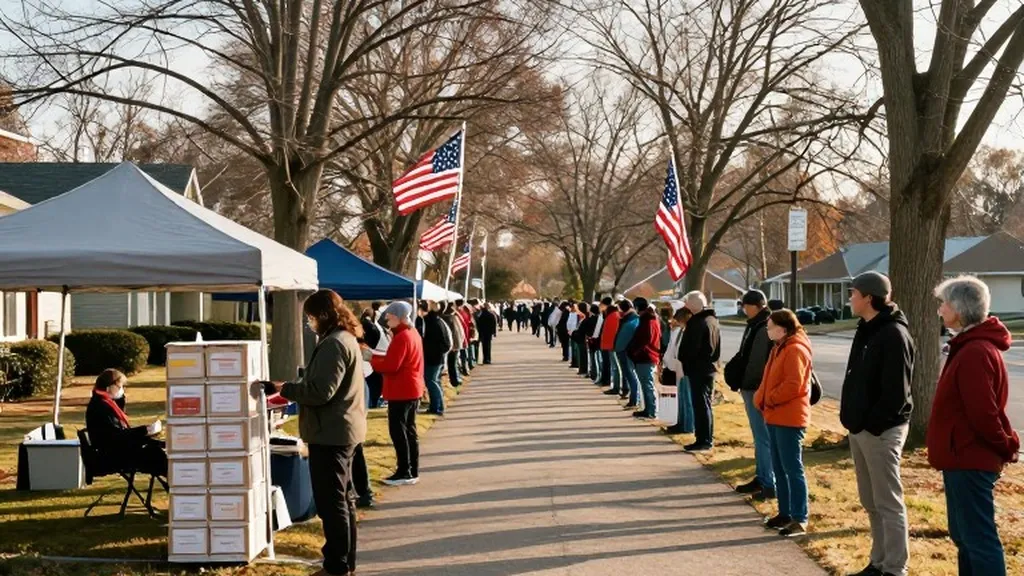
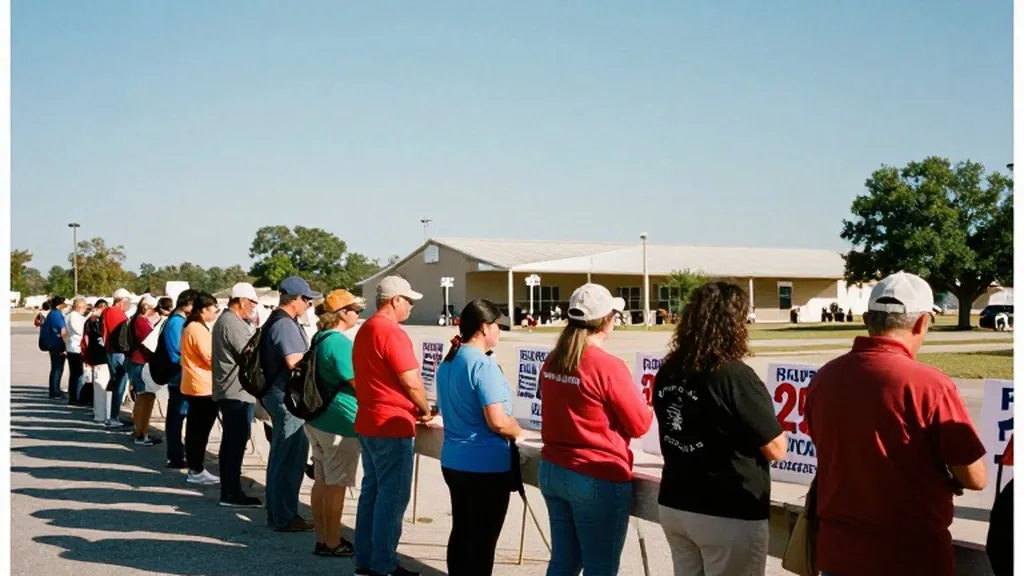
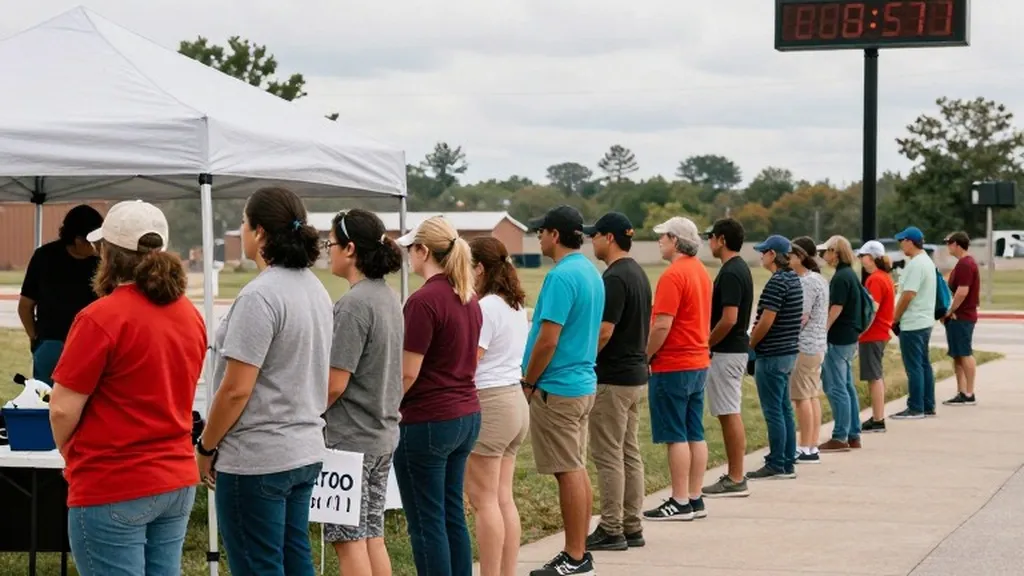
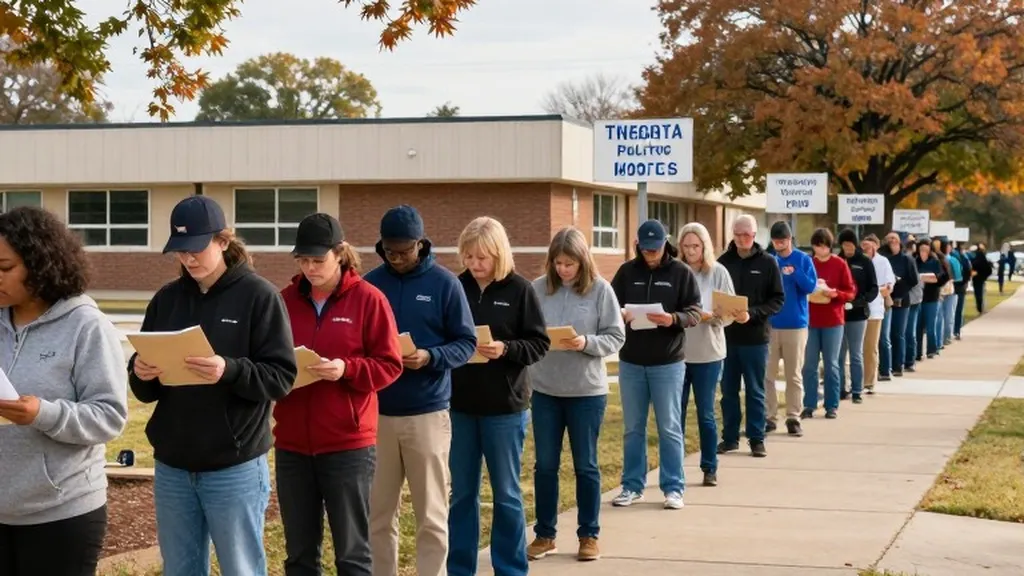
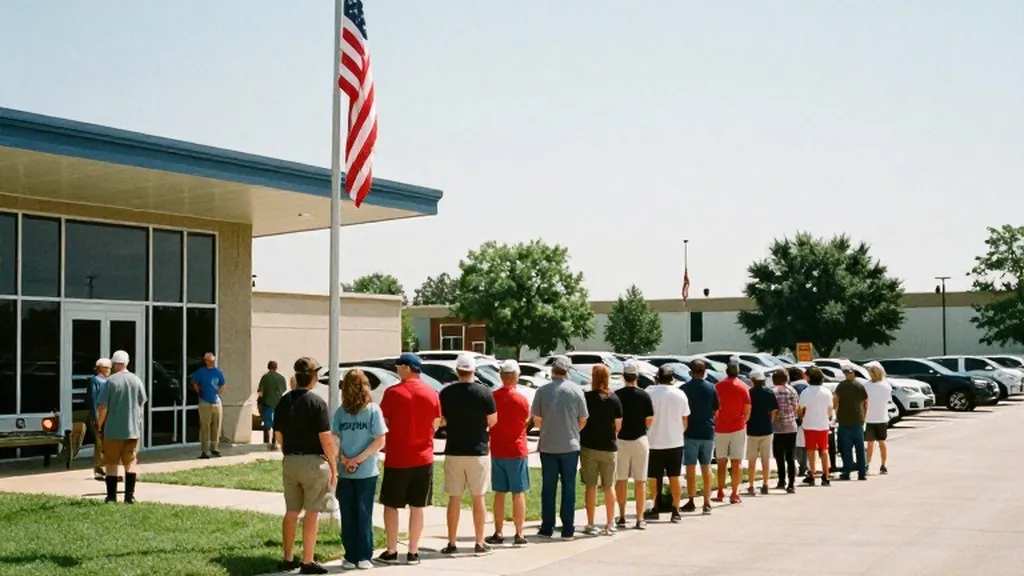
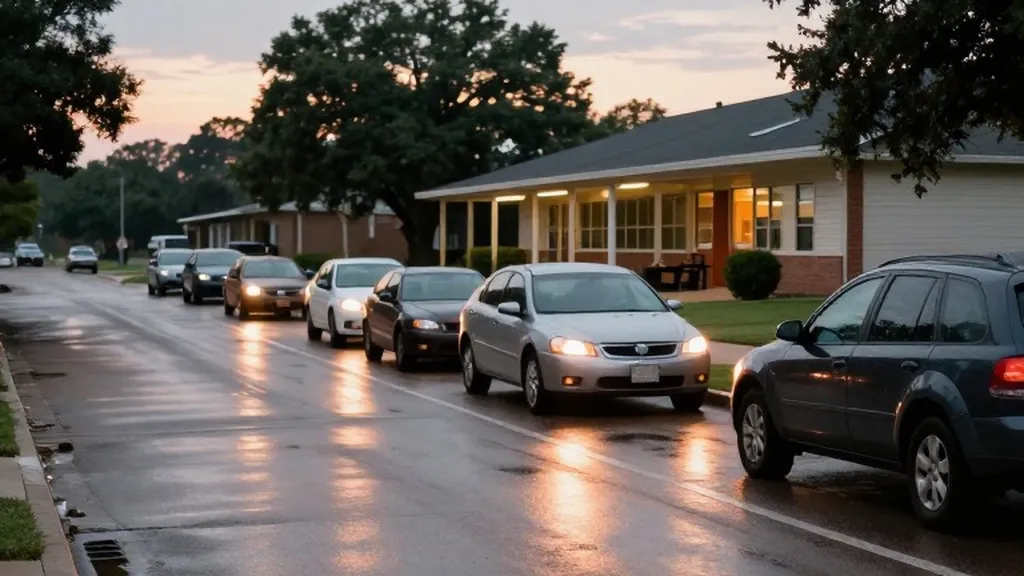
Election Day arrived in Texas, Oklahoma, Louisiana, and Arkansas with a backdrop of legal battles that have clouded the path to counting ballots. Voters in these South Central states, where polls are open from early morning until evening, are casting ballots while federal courts weigh in on how votes are processed. The administration of President Donald Trump has pursued aggressive measures to scrutinize voter eligibility, leading to injunctions that critics say risk disrupting the election process for eligible citizens.
A federal judge on Monday temporarily barred the Trump administration from carrying out a plan it says would prevent noncitizen voting, according to the Associated Press. Critics of the plan argue that it risks disenfranchising eligible voters and infringes on states' authority over elections. This ruling lands just as millions of Americans head to the polls or finalize their mail-in ballots, creating a tense atmosphere in states where every vote may count in close races.
In California, a judge ordered the administration to stop demanding that election officials segregate ballots cast by people on lists of suspected noncitizens. While California is not in the South Central region, the legal precedent has implications for how other states handle similar lists. The administration has continued to make claims about voting fraud, including that noncitizens vote in large numbers, which has fueled concerns among Democratic officials about potential interference and intimidation.
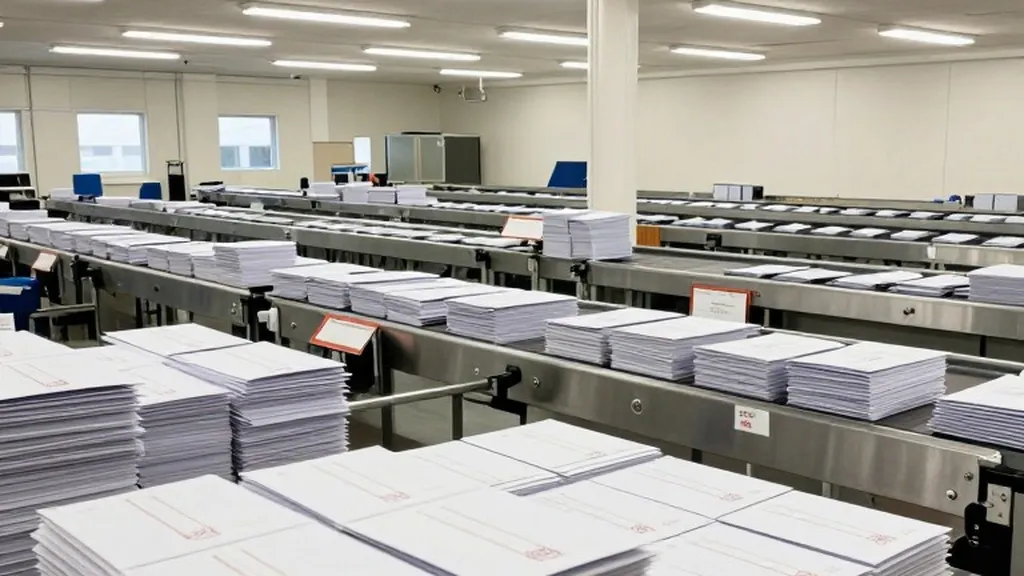
The U.S. Postal Service has added hours, staff, and special lines to ensure that mail ballots are counted on time, Reuters reported. This measure is critical in states with high mail-in voting rates, but it also serves as a buffer against the administrative burdens created by new federal scrutiny. As the Justice Department threatens to prosecute local election officials, postal services are working to maintain the integrity of the mail ballot pipeline.
In Texas, polls are open from 7 a.m. to 7 p.m. local time, and voters are deciding the fate of the open Senate seat and the governor's office held by incumbent Greg Abbott. The Associated Press notes that the Trump administration filed a lawsuit related to the certification of the Senate result in Alaska, highlighting the broad scope of the legal challenges. In the Senate race, Republican Attorney General Ken Paxton, who received Trump's backing over incumbent Sen. John Cornyn in the primary, faces Democrat James Talarico.
Oklahoma voters, with polls open from 7 a.m. to 7 p.m., are choosing a new governor and filling an open Senate seat. The race is part of a broader contest for control of the Senate, where Democrats need a net gain of four seats to take majority control. Republicans currently hold 53 seats, and the outcome in states like Oklahoma and Texas will be pivotal in determining whether the administration's party retains its Senate majority.
Louisiana voters, who can cast ballots from 6 a.m. to 8 p.m. on Tuesday or 7 a.m. to 8 p.m. on Saturday, are focused on an open Senate seat. There is no governor race in Louisiana this year. The state's unique voting schedule allows for more flexibility, but the legal uncertainties surrounding mail ballots and voter verification have raised questions about the smoothness of the count.
Arkansas voters, with polls open from 7:30 a.m. to 7:30 p.m., are reelecting incumbent Sen. Tom Cotton and incumbent Governor Sarah Huckabee Sanders. Both incumbents face challengers in races that are expected to be competitive given the national mood. The Associated Press describes the election as a referendum on Trump's second term, with voters struggling with high prices and angry over an unpopular war with Iran.
The legal fights have heightened the stakes for election officials in these states. Democrats fear that the administration's actions could lead to confusion at the polls, while Republicans argue that the measures are necessary to ensure election integrity. The Postal Service's added resources are a key part of the infrastructure supporting the mail ballot process, which is under heightened scrutiny due to the noncitizen voting lawsuits.
As voters head to the polls in these South Central states, the legal landscape remains fluid. The temporary bars on the administration's plans do not end the disputes, but they provide a clearer path for election officials to proceed. The outcome of these races will determine who controls Congress for the final two years of Trump's term, with significant implications for oversight and investigations.
The Associated Press notes that more than 57 million people had already voted as of Monday, surpassing the early vote of four years ago in many closely watched states. This high level of early participation underscores the importance of efficient mail ballot processing, a process that the Postal Service is supporting with additional staff and lines. The legal battles continue to unfold, but the focus now turns to the ballot boxes in Texas, Oklahoma, Louisiana, and Arkansas.