ID gap threatens to exclude 100,000 teens from UK social media
Ofcom warns that 150,000 young adults lack the documents required to pass the new age verification checks scheduled for next spring.
By Tariq Carter ·
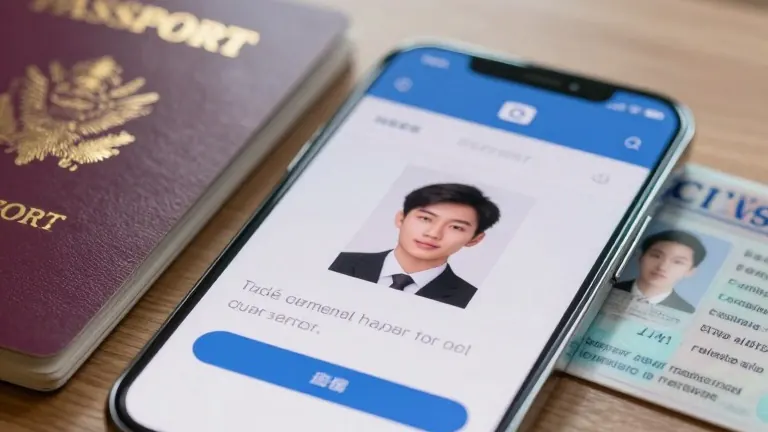
A digital divide is emerging in the UK ahead of the under-16 social media ban. More than 100,000 British teenagers face the risk of being locked out of platforms like Instagram and TikTok because they do not possess the standard identification documents that regulators expect to be used for age verification.
The conflict centers on a gap in official records. Ofcom, the UK’s online watchdog, reported that approximately 150,000 individuals aged 16 to 17 do not own a passport or a driving licence. Since these documents are likely to serve as the primary proof of age for age-restricted services, this demographic may find it difficult to access the platforms they use daily once the ban takes effect.
The regulatory framework is modeled after Australia’s approach, which restricts under-16s from accessing major social networks. The UK version is scheduled to come into force next spring. While the specific list of banned platforms has not been finalized by the government, it is expected to mirror the Australian list, which includes Facebook, Instagram, Kick, Reddit, Snapchat, Threads, TikTok, Twitch, X, and YouTube.
In an assessment published on Thursday, Ofcom outlined four methods it considers highly effective for age verification. These include matching official ID against a live selfie, bank verification, official digital ID services such as the Young Scot card, and facial age estimation. However, the regulator noted that facial estimation can be inaccurate by several years. Consequently, a form of physical photo ID will likely be required as a backstop to confirm age when other methods yield uncertain results.
The reliance on physical documents creates a hurdle for those without them. Ofcom stated that people without photo ID will likely need to take steps to obtain one to maintain access. This requirement contrasts with current norms, where more than nine out of ten Britons over 16 already hold passports or driving licences. Facial age estimation is already in use for enforcing age checks on adult content sites, a practice that has been in place since last year.
Melanie Dawes, the head of Ofcom, acknowledged that the change will be difficult to manage. She compared the situation to alcohol laws, noting that motivated children will attempt to bypass restrictions just as teenagers find ways to buy drinks. Dawes described the coming change as a huge cultural shift for the UK, emphasizing that it will take time for society to adjust and that platforms will need to implement ways to mitigate the risk of evasion.
The government is expected to introduce regulations confirming the ban by the end of the year. Following this, Ofcom will open a consultation on the best age verification methods before issuing official guidance on which measures platforms must adopt.
Source: The Guardian