Chefs in Philly Mix Global Flavors Into Traditional Italian Food
A new wave of Philadelphia chefs is blending family recipes with ingredients from Spain, Thailand, and the Middle East to create a distinct local cuisine.
By Rosa Kovalenko ·
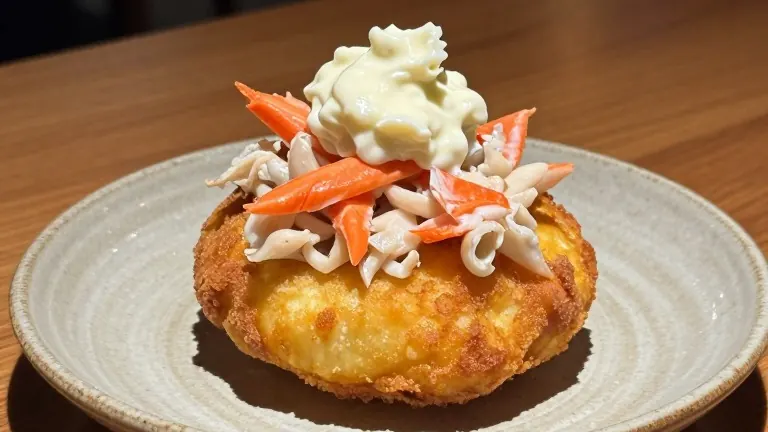
Philadelphia chefs are moving away from the standard spaghetti and meatballs model to serve dishes that combine Italian roots with global influences. This shift marks a new phase in the city's culinary market, where traditional family recipes now sit alongside exotic ingredients and modern techniques. The result is a menu style that is less about regional purity and more about personal history and experimentation.
James Nardone, the chef at Elma in Fishtown, exemplifies this approach. His restaurant is a small, bring-your-own-beverage spot. One of his most popular items is a deep-fried polenta fritter topped with scarlet crab and horseradish. Nardone describes the dish as a savory funnel cake with crab sauce. He notes that very little about the plate is traditionally Italian. He serves it because guests consistently request it, proving that diners are open to unexpected combinations.
Michael Vincent Ferreri, who runs the kitchen at Irwin's, draws from a century-old family recipe for eggplant caponata. The dish comes from his great-grandmother. For his summer menu, Ferreri added a tomato and watermelon crudo. That dish was inspired by his travels to Spain, Istanbul, and Cairo. He found that trade and immigration had long shaped Sicilian cuisine in ways that are not immediately obvious. He brings those specific flavors to Philadelphia now. He tells patrons that the kitchen follows a centuries-old tradition of cooking from 10 a.m. to 5 p.m. At 5 p.m., the staff switches to plating food like a modern restaurant.
Chris D'Ambro at Ambra also mixes traditions. In the spring, he served pasta with ramp kimchi. For the summer, he offered tuna crudo with corn and fig leaf panna cotta with lime and pickled coriander. The flavors recall Thai cuisine. He also serves a terrine of capon, veal cheeks, and chanterelles. The dish is topped with mustard oil that his aunt smuggled out of Italy because it is hard to find in the United States. D'Ambro says the menu is specific to his small space. He describes the process as natural rather than forced.
Townsend Wentz at A Mano cooks from every region of Italy rather than focusing on one. He follows the seasons along the Italian coast. He uses Spanish ingredients and French techniques. His panzanella includes Greek feta, and his antipasti feature Basque peppers. Wentz argues that regionality is not the priority in Philadelphia. He points to the local climate, noting that the city freezes in winter and boils in summer. He believes trying to champion a single Italian region would be a mistake in this environment.
Nardone credits his grandparents for his current style. His mother's side is Abruzzese and his father's side is Calabrese. He remembers crowded family tables where cooking was intuitive. No one measured ingredients in grams. They used what fit in empty containers on the counter. Nardone chases those specific flavors at Elma today. He uses College Inn chicken stock instead of homemade stock. He says this is not laziness. It is an attempt to replicate the exact flavor his family used. He says nothing else tastes quite the same.
D'Ambro acknowledges the tension between traditional and modern Italian food. He says his menus are biographical. They are full of food memories and inside jokes. He adds French techniques and Thai flavors because those are also part of his personal history. He uses the term modern Italian on his menu because it is easier for customers to understand. It defines what the food is not. This gives him the space to decide what the food actually is.
The common factor among these chefs is the space they create for new ideas. They do not simply reject old traditions. They embrace the friction between history and biography. They champion the mix of tradition and experimentation. This approach allows a new Italian American cuisine to grow. It is a cuisine that is delicate and just beginning to take shape in Philadelphia.
Source: Philadelphia
More Business · Rip-Off Report · Report a business · Got a Story?