Oil exports recover as US Navy secures Strait of Hormuz
US Central Command reports that over 1.5 billion barrels of crude moved through the waterway since June, aided by military escorts and mine clearance operations.
By Tariq Carter ·
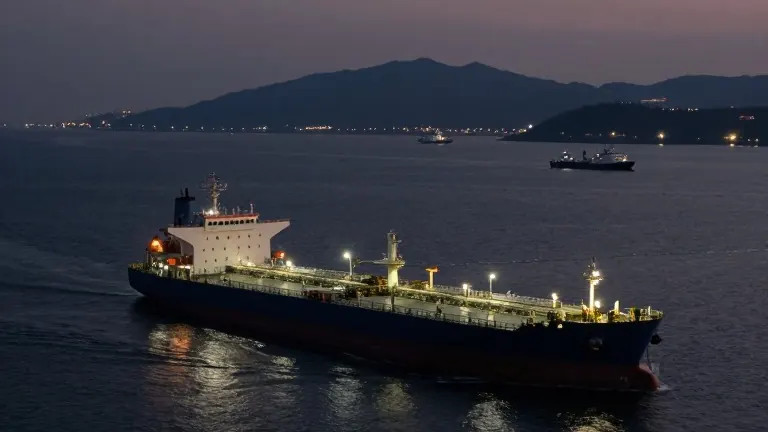
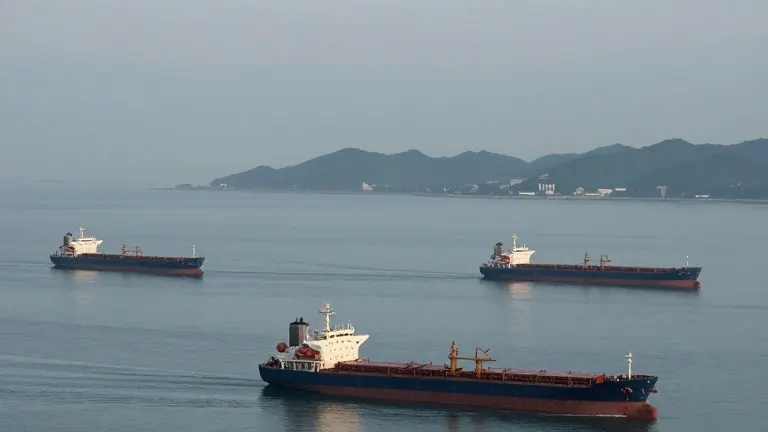
US Central Command (CENTCOM) stated on Sunday that American military forces have supported the export of more than 1.5 billion barrels of oil from Gulf states since June. The command said that over 3,000 commercial vessels have transited the Strait of Hormuz with US assistance during this six month period. Despite ongoing threats from Iran, CENTCOM reported that more than 95 percent of ships navigating the channel have done so safely.
The announcement coincided with a regional visit by Admiral Brad Cooper, the commander of CENTCOM. Cooper observed the operational environment in the strait from a US Army helicopter. In a statement, he said, "We continue to stand shoulder to shoulder with our Gulf partners and the shipping industry." He added that the visit reaffirmed the US commitment to freedom of navigation in the area.
Cooper noted that primary transit routes are currently free of Iranian mines. He attributed this safety to the "incredible efforts" of personnel conducting mine clearance operations. He stated that the US remains focused on maintaining commercial traffic flow while working with the US interagency, the Gulf Cooperation Council, and the shipping industry.
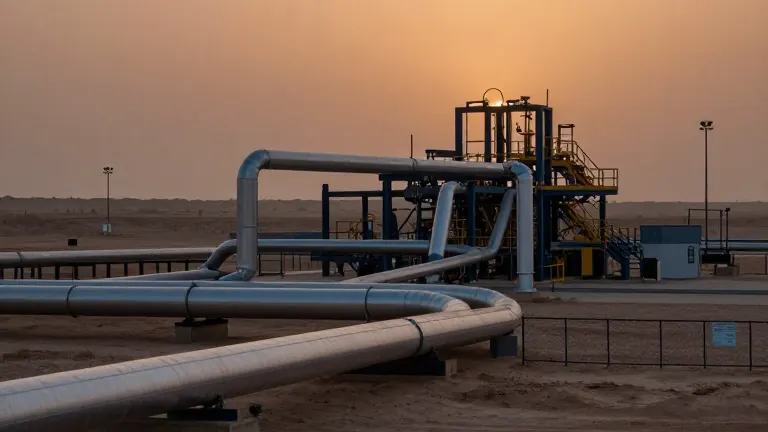
Crude oil flows have returned to pre war levels. Before the US and Israel launched their campaign against Iran in late February, the region exported a specific volume of crude. Market intelligence firm Kpler reported that 16.5 million barrels per day left the region in September. This figure matches the pre war average, excluding Iran. Analysts credit this recovery to offshore ship to ship transfers, US military escorts, and increased pipeline usage.
While volumes have recovered, prices remain elevated. Brent crude futures traded at approximately $114.50 per barrel on Sunday. This price represents a slight decrease of about 2 percent from the previous week, which saw nearly six month highs. For comparison, Brent settled at $72.48 per barrel on February 27, the day before the US and Israel began strikes on Iran.
The US military describes the current situation as one of controlled stability. Admiral Cooper emphasized that the United States and regional partners maintain control over the international waterway. The data indicates that the combination of military presence and infrastructure adjustments has allowed the oil market to function despite the conflict.
The next phase of operations will focus on sustaining these transit routes. The US and its partners plan to continue coordinating with the shipping industry to monitor threats. The military will keep its assets positioned to support commercial traffic and clear any new obstructions from the primary channels.
Source: Al Jazeera
More Business · Rip-Off Report · Report a business · Got a Story?