Pakistan, Saudi Arabia, and Turkiye meet Iran to prevent renewed war
Diplomats in Tehran attempted to draft a deal after Houthi strikes on Saudi infrastructure, but Iranian officials rejected the Qatari proposal on nuclear terms.
By Tariq Carter ·
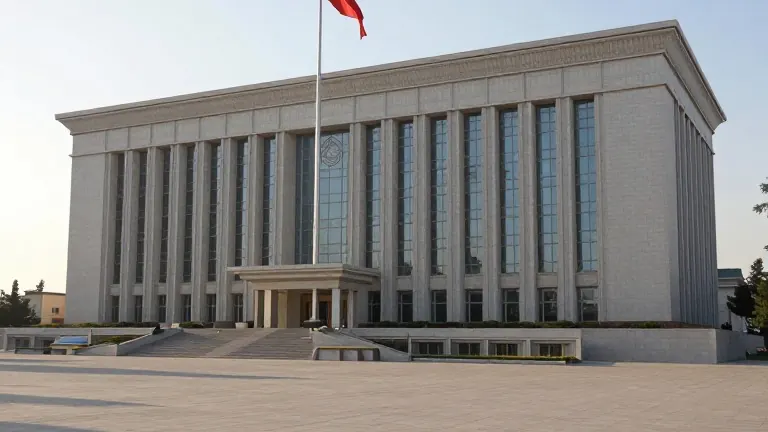
Senior officials from Pakistan, Saudi Arabia, and Turkiye met with Iranian leaders in Tehran on Monday to prevent a return to full-scale war. The gathering marked the first high-level contact between the signatories of the Mecca Joint Defence Agreement and Iran since the US and Israel launched their offensive on February 28. Qatari diplomats also attended the session, which occurred shortly after Houthi fighters attacked Saudi airports, ports, and oil facilities.
The diplomatic push responds to immediate threats in the region. Houthi rebels aligned with Iran struck Saudi infrastructure in recent days, while President Donald Trump warned last Friday that Washington could mount another military operation against Iran. Trump cited rising fuel prices as a factor weighing on the US midterm elections scheduled for November 3. In response, Iran's Islamic Revolutionary Guard Corps stated it would react more forcefully to any new US action.
Omani Foreign Minister Badr Albusaidi proposed a structural change to regional security during a visit to the University of Cambridge on Monday. He called for a non-aggression pact between Gulf states and Iran that would reduce the United States' role as the primary security provider. This suggestion aims to create a regional framework independent of Washington, a move that tests the long-standing ties between the Gulf Cooperation Council and the US.
Negotiations remain stalled on the nuclear issue. Qatari mediators delivered a draft deal to Iran on Sunday, with a response expected by the end of the week. Iranian officials told Reuters on Wednesday that the Qatari proposals were unacceptable and that Tehran would show no flexibility on nuclear matters. Khaled Batarfi, a Saudi political analyst, described the visit as a last warning from Riyadh that Iran has so far refused, noting the lack of trust between the parties.
Experts assess the likelihood of a comprehensive regional agreement. Aniseh Bassiri Tabrizi of Chatham House in London stated that a broad security framework is unlikely in the coming months or years because GCC states do not share a unified vision. Hamidreza Azizi of the International Crisis Group identified the sequence of commitments as the main obstacle. The US demands Iranian concessions on nuclear matters first, while Iran insists its conditions for ending the war must come first. Gulf states are diversifying their security partnerships, but they remain deeply integrated into the US security system.
Source: Al Jazeera