Expat Israelis Fly Home to Cast Ballots in Tight Election
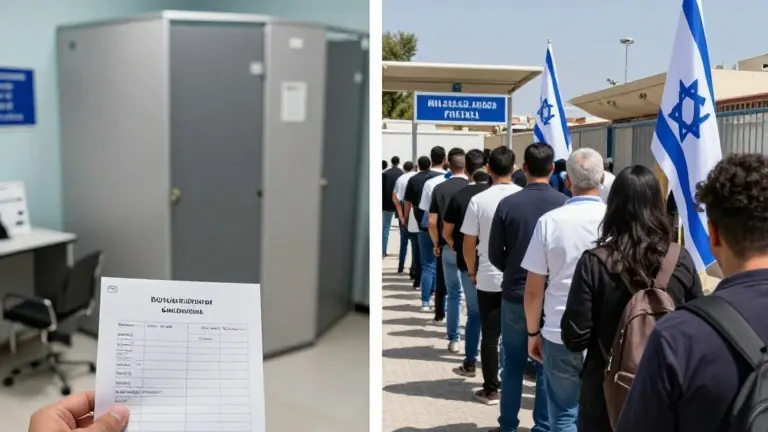
An estimated 67,000 Israelis living abroad are returning for the Oct. 27 vote, with many spending thousands of dollars on round-trip flights to participate in a race seen as a referendum on Prime Minister Netanyahu.
By Aminata Patterson ·
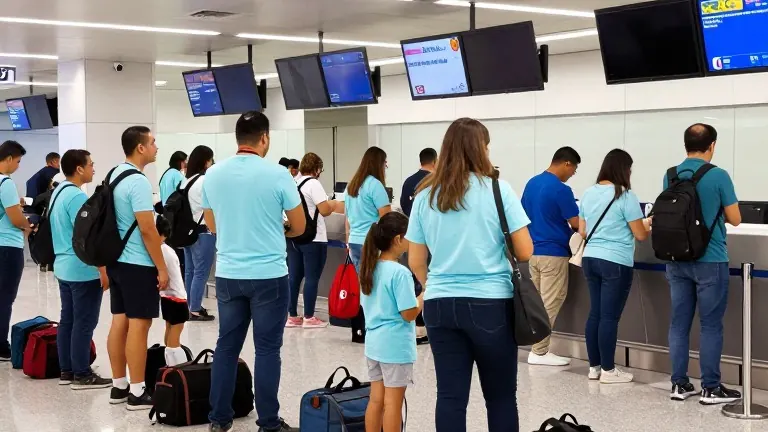
Ayelet Frank, a Redwood City resident who left Israel in 1984, was among the first to check in for a nonstop El Al flight from San Francisco to Tel Aviv on Oct. 25. She is one of an estimated 67,000 Israelis living abroad who are traveling home to vote in the Oct. 27 election. The flight landed less than 24 hours before polls opened, marking the first direct service from San Francisco since the Oct. 7, 2023 Hamas attack. Frank, a native of Kibbutz Ein Harod, described the election as unique and critical to Israel's existence. She plans to spend only two days in the country before returning to California.
Israel does not allow absentee voting for most expatriates, requiring voters to appear in person. This logistical hurdle has prompted a wave of travel, with many passengers spending thousands of dollars on tickets. Udi Pardo, who has lived in Capitola since 1983, said he is flying home for an election for the first time due to a perceived national emergency. He has not yet decided between Gadi Eisenkot's Yashar party and Naftali Bennett's B'Yachad, both of which oppose the current government. Pardo stated that the goal is to reestablish liberal democracy, which he believes is at risk of disappearing.
The Oct. 27 election is the first since the war in Gaza began. The Israel Democracy Institute noted that many voters could swing nearly two Knesset seats in the tight race. Final pre-election polls show Eisenkot's Yashar party leading with 22 to 23 projected seats, compared to 19 to 21 for Netanyahu's Likud party. Neither party is expected to secure a clear majority, meaning intense coalition negotiations will follow the vote. Thirty-seven parties are on the ballot, but only about a dozen are expected to clear the 3.25% electoral threshold.
Opposition to the current government was evident among passengers on the El Al flight. Roni Bar-Niv, a Sunnyvale resident, said she is voting because she pays taxes and supports the war effort. Rivka Amado, a Berkeley resident, emphasized the duty of expats to participate. The Silicon Valley group UnXeptable, which protested Netanyahu's judicial overhaul, had a visible presence on the plane, with members handing out light blue T-shirts bearing the election date and the Hebrew words for Flight for Change. Local TV stations covered a press conference held at the check-in counter.
Emigration from Israel has surged in recent years, increasing the pool of potential overseas voters. According to Israel's Central Bureau of Statistics, 82,800 Israelis left the country in 2024, up from 55,000 in 2023. The Times of Israel reported that more than 69,000 left in 2025. Gilad Kariv, an opposition lawmaker, warned of a strategic threat to Israel's future tied to the government's conduct. Experts cite the war and opposition to the judicial overhaul as primary drivers of this emigration.
The Likud-led government attempted to impede the Fly & Vote project, which helps expats with logistics. Israel's Supreme Court blocked legal action against the group in October. Analysts suggest the government considered slowing traffic at Ben Gurion Airport because it believed many returning expats would vote against the ruling party. Eyal, a tech designer in Mountain View, said he agrees with the sentiment that expats should vote in this specific election to connect with the country.
Iddo Tal, a Palo Alto tech entrepreneur, has traveled back for previous elections to stay connected with his parents. Hadar Aviram, a law professor at UC San Francisco, said she is flying to release Israel from the current government. She described the scene at the airport as people who emptied their savings to save their country.
Source: The Jerusalem Post