Trump's $5,000 Dividend Faces Hurdles After Democratic Wave
Speaker Johnson says congressional approval is needed for the payment, a claim PolitiFact says is far from certain after Democrats won key Senate and governor races in Texas and the South.
By Tariq Carter ·
President Donald Trump's pledge to send every American adult a $5,000 check if Republicans maintain control of Congress has become a central focal point of the 2026 midterm elections, yet the promise now faces a stark reality as Democrats have secured sweeping victories in key states. Speaking at the Republican Midterm Convention in Dallas last week, Trump declared that if the GOP wins both the House and Senate, he will issue a 'Trump Dividend' to every adult citizen. This proposal, which could cost the federal government more than $1 trillion, was framed by the President as a reward for voters supporting his economic agenda, but it has drawn sharp criticism from both parties over its feasibility and timing.
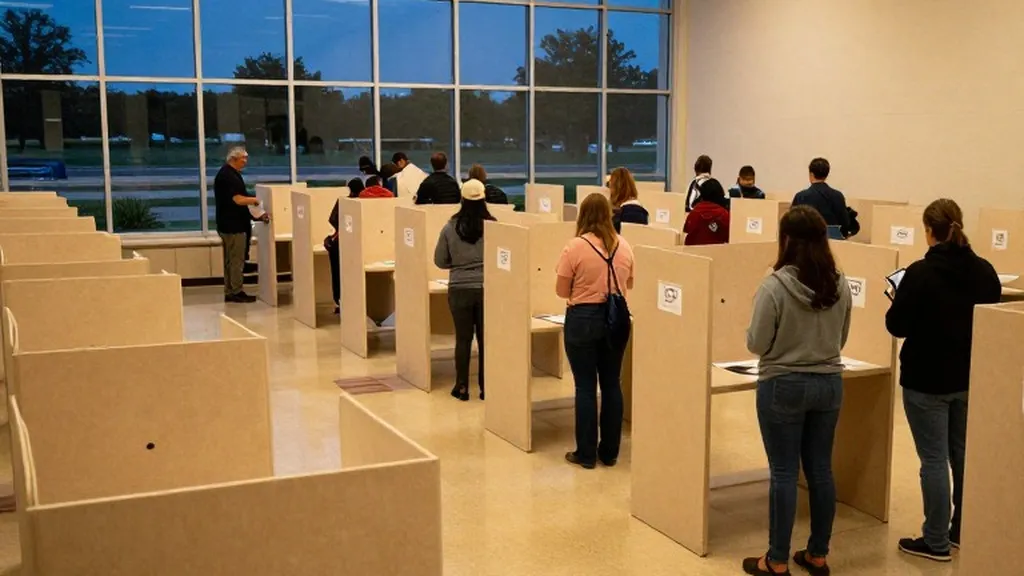
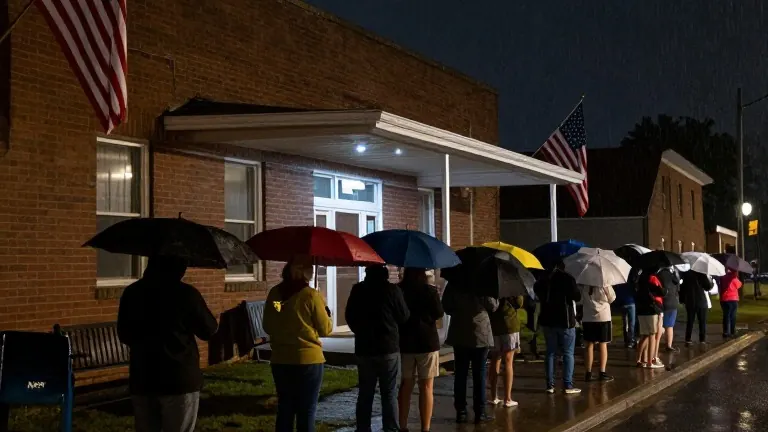
The timing of the announcement coincided with a significant shift in voter sentiment across the South Central region. In Texas, polls remained open from 7 a.m. to 7 p.m., allowing voters to cast ballots in a historic wave that saw Democrats win the governorship and a Senate seat for the first time since 1994. According to the Associated Press, James Talarico defeated Republican Ken Paxton for the U.S. Senate, while state Representative Gina Hinojosa ousted incumbent Governor Greg Abbott. These results mark a decisive break from the Republican dominance that has characterized the state's politics for over three decades, suggesting that voters prioritized immediate economic concerns over the long-term promise of the dividend.
Despite the electoral losses, House Speaker Mike Johnson, a Republican from Louisiana, defended the proposal on Sunday, stating that congressional approval is required to make the payments a reality. Johnson pledged to work through the legislative process to find consensus on the plan, describing it as a creative idea from the President. However, Trump initially suggested that Congress might not need to authorize the payments, a claim that raised questions about how the administration would spend more than $1 trillion without the legislative body's explicit sign-off. This discrepancy between the President's initial stance and the Speaker's procedural requirements highlights the complexity of implementing such a large-scale fiscal policy.
PolitiFact has assessed the likelihood of the $5,000 dividend, noting that the biggest payment is far from certain. The fact-checking organization pointed out that the administration has not announced a formal plan for how the checks would be distributed or funded. While Trump cited tariff revenues as a potential source, the Tax Foundation estimates that the new tariffs are projected to bring in significantly less than the total cost of the dividend over a decade. This gap between projected revenue and the promised payout has led fiscal experts to question whether the plan can be sustained without exacerbating the nation's existing budget deficit.
Bipartisan criticism of the proposal has intensified as the election results solidified. Texas Congressman Chip Roy, a Republican, wrote on social media that dependency is evil and soul-sucking in all its forms, questioning the long-term implications of such a direct payment. Meanwhile, election law expert Rick Hasen from UCLA noted that while the promise is likely legal under the First Amendment as a campaign pledge, it does not guarantee the President has the unilateral power to execute it. Hasen emphasized that Congress must still pass the necessary legislation to release the funds, a process that is complicated by the shifting balance of power in both chambers.
The Democratic victory in the South Central states has added another layer of complexity to the implementation of the Trump Dividend. In Oklahoma, polls were open from 7 a.m. to 7 p.m., and voters participated in an open Senate race, while in Arkansas, polls closed at 7:30 p.m. in races for the Senate and governor. Although the specific results for these states are part of the broader national trend, the overall Democratic surge suggests that the new Congress will be more resistant to large-scale spending without clear economic justification. This resistance could make it difficult for Speaker Johnson to secure the necessary votes for the dividend, especially if the Republican margin in either chamber is slim.
Further complicating the issue is the current economic climate, which has been marked by persistent inflation and rising interest rates. The Associated Press reported that consumer prices rose 3.6% in September from a year earlier, a trend that has fueled voter dissatisfaction with the administration's handling of the cost of living. Trump argued that the strong economy would make the payments easy to manage, but critics point to the nearly $1.8 trillion annual budget deficit as a sign that the government is already stretched thin. The proposal to send $1.2 trillion in checks could further strain public finances, potentially leading to higher interest rates or increased borrowing.
In Louisiana, where polls were open from 6 a.m. to 8 p.m. for Tuesday elections, voters also participated in an open Senate race. The state's participation in the midterm elections underscores the national trend of voters seeking change in Washington. As the results come in, it is clear that the Democratic wave has reshaped the political landscape, giving the new majority the power to scrutinize the administration's spending priorities. This oversight role will be critical in determining whether the Trump Dividend becomes a reality or remains a campaign promise that failed to withstand the scrutiny of a newly empowered Congress.
The White House has maintained a confident stance on the issue, with spokesperson Davis Ingle stating that the President has consistently proven his doubters wrong. Ingle highlighted the administration's record of economic growth and tax cuts as evidence that the dividend is feasible. However, the lack of detailed information on how the payments would be processed or funded has left many voters and analysts uncertain about the next steps. The absence of a formal legislative proposal from the administration means that the burden of drafting the bill now falls on individual members of Congress, such as Senator Bernie Moreno of Ohio, who has pledged to introduce legislation to fund the plan.