St. Petersburg construction firm spends millions to train new skilled workers
Power Design is expanding its campus and apprenticeship program to address a projected shortage of 1.7 million trade jobs per year over the next decade.
By Rosa Kovalenko ·
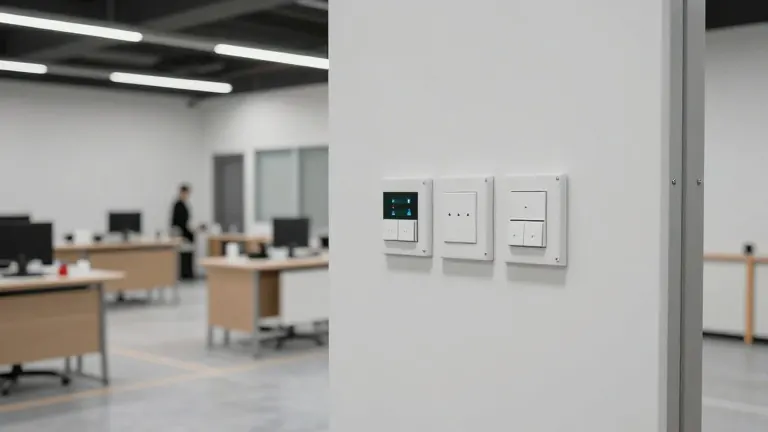
Power Design has begun pouring tens of millions of dollars into a 77,000-square-foot training campus in St. Petersburg to prepare new workers for the skilled trades. The company, a design and construction contractor with projects including the Tennessee Titans stadium and the Ritz-Carlton in Savannah, Georgia, is expanding this facility to support its four-year apprenticeship program. Leaders describe the investment as a necessary step to counter a looming shortage of skilled labor across the country.
The need for new workers is driven by specific industry data. According to the State of America’s Skilled Trades report, approximately 1.7 million trade jobs will open annually for the next nine years. This demand is intensified by an aging workforce, with about one-quarter of current workers aged 55 or older. By comparison, only 11% of workers are younger than 25. Stephanie Morge, vice president of learning and development at Power Design, stated that the supply of workers does not match the demand for construction projects, whether they are hospitals, data centers, or other facilities.
The program, known as PowerU, currently serves about 380 students nationwide. It operates on an earn-while-you-learn model, allowing apprentices to receive on-the-job training across Power Design’s 350 active projects while completing coursework and earning a salary. The company aims to double the number of new apprentices in the coming year. The curriculum spans multiple trades, including electrical, mechanical, plumbing, and systems technologies. Students are prepared to take the journeyman exam, a certification test for skilled trades.
Training at the campus, dubbed CAMP, involves hands-on exercises that simulate real-world scenarios. Apprentices visit a space designed like a typical apartment but filled with intentional errors, such as misaligned screws on light switches or doors that open the wrong way in electrical rooms. They must identify these code enforcement violations. Other exercises include hooking up basic circuits and testing them for correct connection. Instructors monitor attendance and grades, treating the experience similarly to a traditional classroom.
Power Design created the program seven years ago to establish a uniform base of skills for its employees. It is certified by the Department of Labor and the Department of Education. Eligibility requires a high school diploma or equivalent and English proficiency. The program is centralized, meaning Power Design handles all classes and certifications in-house rather than outsourcing them to local colleges. While it began as a mostly virtual initiative, it is now primarily in-person, with students spending one week at CAMP each quarter.
Alex Fox, senior director of marketing and brand strategy for Power Design, emphasized the long-term value of the trades. He noted that workers who master their skills remain valuable indefinitely. Fox highlighted that the physical work contributes directly to the community, building cities and skylines that people experience daily. He pointed out that Tampa Bay faces an acute need for workers due to new high-rises and accelerating housing demand. He stated that training local talent helps the local economy and builds the community.
The company seeks to change the perception of trade jobs as a lesser career path. Morge believes that a reputation of blue-collar work being low-end has prevented younger generations from entering the field. She described the core issue as the perception that trades are lesser than other professions. To support this shift, the campus includes amenities available to all Power Design workers, such as cryotherapy chambers, light-therapy beds, Pilates sessions, and massage pods. A 10-foot-tall gorilla sculpture and outdoor murals decorate the six buildings on the property.
Morge noted that construction employees work alongside their office-based counterparts. She argued that a career in the trades can provide a strong living without requiring a college degree. She stated that college is not always the answer for every young adult. Fox recalled his father’s advice that learning to use tools allows people to do anything. He said that the work is out in the cities for loved ones to experience, making it a meaningful contribution to society.
Source: Tampa Bay Newspapers
More Business · Rip-Off Report · Report a business · Got a Story?