Trapper Bycatch Sparks Fierce Fight in Alaska Senate Race
Industrial fishing waste is driving a sharp divide between candidates and local communities in a race that may decide the Senate majority.
By Tariq Carter ·
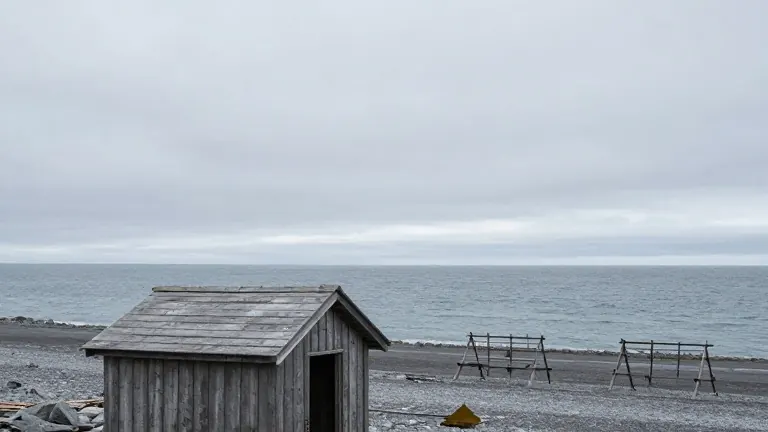
Salmon are not returning to the Kuskokwim River in western Alaska.
The missing fish have become the central issue in the state's tight U.S. Senate race. The conflict pits indigenous subsistence fishers against a multi-billion dollar industrial fleet.
Evon Waska lives at the water's edge where his parents settled after ending their nomadic lifestyle. His drying racks stand empty this year. He blames trawlers operating miles offshore in the Bering Sea. These vessels use large nets to harvest pollock, a white fish often sold as imitation crab.
Waska notes that government agencies frequently close the river to local families to conserve fish, while leaving the industrial fleet open. He stated, "They don't close the trawlers. They close me and my people first."
The pollock industry generates approximately $1 billion in revenue, with much of the business based in Seattle. Trawlers deploy sock-shaped nets up to a quarter mile long. These nets capture king salmon and other species as bycatch, which are then discarded.
Republican incumbent Dan Sullivan has positioned himself as a defender of the industry. He recently promoted a new bill described by him as the most comprehensive bycatch legislation ever proposed. However, Democratic challenger Mary Peltola, who is indigenous and from the Kuskokwim region, criticized the measure as an election year ploy. Peltola said, "Dan Sullivan reeled in over $300,000 from trawlers and waited until the 11th hour for a half-hearted and half-baked solution."
Heather Mann, who leads a trawlers association, argued that removing the pollock fishery would have minimal impact on salmon recovery. She stated that the science supports her view. Data from this year shows that pollock trawlers have caught 40,000 Alaska salmon. While this waste is a small fraction of the total pollock harvest, it creates a significant burden for local villages.
In the village of Kwethluk, subsistence fishing serves as the main occupation and cultural backbone. Tribal president Mary Nikolai visited a neighbor's cold smokehouse that remained unused all summer. She observed, "Most of the smokehouses are like this. And it's like a slow trend of closing our workforce out."
Source: WLRN