Rebucci: K-shaped wealth gap drives midterm sentiment despite strong data
Johns Hopkins economist says voters focus on personal cost of living rather than aggregate economic indicators.
By Aminata Patterson ·

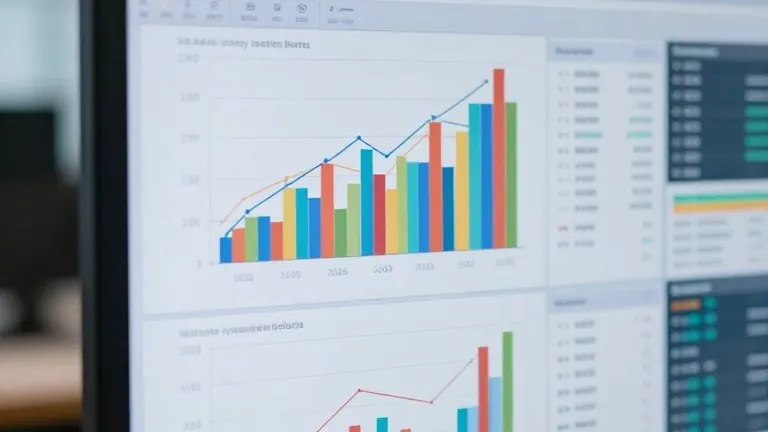
The wealthiest households in the United States are currently spending a larger share of their income and wealth than the lowest-income households, according to a new analysis by Johns Hopkins University.
Alessandro Rebucci, an economics professor at the Johns Hopkins Carey Business School, stated that this disparity defines the current economic structure. He noted that high-income earners and asset owners are performing well in aggregate data, while middle and lower-income earners experience different conditions. This divergence creates what economists term a k-shaped economy.
Rebucci explained that the perception of economic health among voters often conflicts with macroeconomic statistics. He said, "Voters reflect the perception of the cost of living as they experienced, as opposed to what is in the data." He added that the distribution of economic gains determines how large segments of the population feel about the current moment.
President Donald Trump has frequently cited the strength of the U.S. economy during recent campaign stops. At an Aug. 5 rally in Las Vegas, the president declared, "The economy is the greatest economy we’ve ever had, by far." This assertion stands in contrast to recent consumer surveys that suggest many voters hold a less positive view of their personal financial situations.
Rebucci said the tension between aggregate growth and individual experience is a recurring feature of U.S. elections. He observed that the country has long operated with a high degree of economic inequality. He argued that the primary issue is not eliminating that inequality but adjusting the system so people can manage it effectively.
The economist emphasized that voters need to feel they have a realistic chance of moving into the top income brackets. He stated, "The most important thing that people need to be perceiving is that they’ve got a shot at being in that top 10%, top 1%." This sentiment is influencing how voters assess their options as they prepare to cast ballots in the upcoming midterm elections.
Source: WCJB