Delhi Air Quality Hits 377 as Diwali Firework Rules Tighten
Officials activated Stage II of the Graded Response Action Plan on 4 November, citing persistent very poor air conditions and upcoming festival emissions.
By Tariq Carter ·
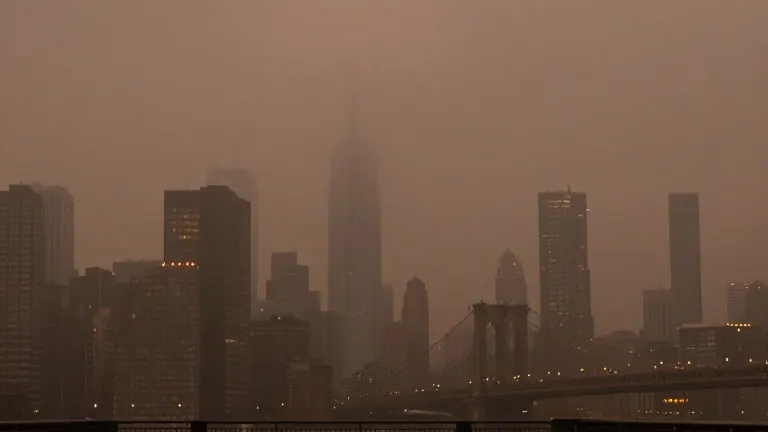
Delhi authorities activated Stage II of the Graded Response Action Plan on 4 November after the city's air quality index reached 377. The reading places the capital in the very poor category, prompting immediate implementation of stricter environmental controls ahead of the Diwali festival.
The emergency framework responds to forecasts indicating that severe pollution will persist for the coming days. Current measures include intensified road cleaning and higher parking fees designed to discourage private car use. Delhi Metro added 20 weekday train trips to the schedule, while government offices were instructed to stagger work hours to reduce traffic congestion.
This deterioration follows the cleanest October Delhi has recorded in eight years, based on monthly average air quality data. Experts attribute the recent reversal to lower temperatures, weak winds, and increased crop residue burning in the neighboring states of Punjab and Haryana. Although rain and winds from a recent storm initially dispersed pollution, northwesterly winds subsequently carried smoke from agricultural fires toward the capital.
Vehicle exhaust and industrial emissions also contribute to the seasonal winter pollution that affects Delhi and parts of northern India. The pollution watchdog categorizes index readings from 301 to 400 as very poor and those above 400 as severe. The index tracks eight major pollutants, including PM2.5 particles that are approximately 30 times smaller than a human hair. Extended exposure to these particles can reach deep into the lungs, causing respiratory issues and aggravating existing illnesses, particularly in children and older adults.
Diwali celebrations, which involve lamps, lights, and fireworks, are expected to release additional fine particles and harmful gases. Last year, toxic haze settled over Delhi despite court orders to use less-polluting firecrackers. On Monday, India's Supreme Court permitted the manufacture, sale, and use of certified green firecrackers in Delhi and neighboring areas for a limited period.
Under the new court order, the use of green firecrackers is restricted to 06:00 to 07:00 and 20:00 to 22:00 local time on 7 and 8 November. The court also prohibited fireworks within 300 meters of hospitals, care homes, schools, and other designated silence zones. Green firecrackers contain modified chemical formulations intended to reduce emissions compared to conventional products and must display QR codes for manufacturer and certification verification.
The Supreme Court noted that conventional crackers had been marketed as green products even during previous complete bans. Police are now ordered to conduct patrols in designated sales areas, perform random QR-code inspections, and seize illegal fireworks. Meanwhile, Mumbai experienced elevated pollution earlier in the month, peaking at an index of 322 on 24 October due to low wind speeds, construction dust, and regional pollution. The city's air quality has since improved, registering a satisfactory index of 89 on 4 November.
Source: BBC News