365,000 tons: Inside the surveillance of activists targeting a Minneapolis incinerator
Emails obtained via a Freedom of Information Act request show county staff gathering intelligence on environmental groups to protect the Hennepin Energy Recovery Center.
By Aminata Patterson ·
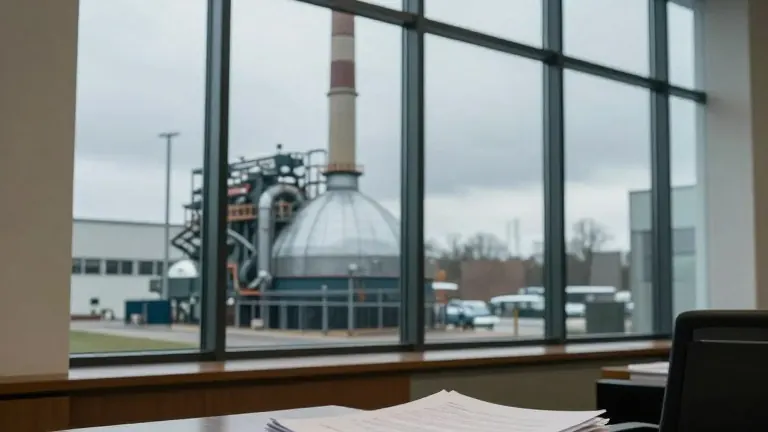
The Hennepin Energy Recovery Center in north Minneapolis incinerates 365,000 tons of trash every year. Environmental justice activists have spent years trying to close the facility, which pollutes surrounding low-income neighborhoods. New emails suggest county officials worked to monitor those efforts.
Documents released following a Freedom of Information Act request detail a surveillance operation targeting the Zero Burn Coalition and the Minnesota Environmental Justice Table. The groups allege that Hennepin County staff collected intelligence to block state legislation and counter protest campaigns. The information was shared with top county environmental officials and then forwarded to the industry group that owns the incinerator.
Joe Vital, the county’s environmental engagement coordinator, served as the central figure in this operation. Hired in 2021, Vital was viewed by many activists as an ally. He had previously helped oppose the Line 3 pipeline and other local polluters. In June 2023, Vital attended a public Zoom meeting where advocates planned their next steps. Organizers screen participants to check for industry or political opponents, but Vital slipped past the vetting process. He created a dossier listing attendees, including a state representative and a former city council member, and sent it to his superiors.
Nazir Khan, executive director of the Minnesota Environmental Justice Table, stated that activists would have noticed Vital’s name if it had been displayed on the call. The emails show that Angie Timmons, a county environmental department manager, saw the meeting invite and asked Vital to attend. Rosemary Lavin, the director of the county’s energy and environment department, received Vital’s reports. Supervisors planned to discuss these findings with Lisa Cerney, a senior public works official who reports to county political leadership. Cerney has made public statements supporting the incinerator.
In a separate incident, county employee Mallory Anderson joined an advocates’ email list without their knowledge. In March 2024, Anderson sent organizing emails to David McNary, a county official who sits on the board of the Minnesota Resource Recovery Association. McNary represents interests similar to the incinerator’s owners. He feared a proposed bill to phase out polluting land uses could impact facilities statewide. On March 13, 2024, McNary forwarded the activists’ emails to an industry attorney and Tim Steinbeck, the president of the HERC operator. Steinbeck described the bill as detrimental to the industry. The industry’s efforts to kill the legislation were successful.
Audua Pugh, a Minneapolis organizer who was among those surveilled, questioned the use of public resources during a county board meeting this week. She asked why county staff time was directed toward monitoring community members organizing to shut down an aging trash burner. A county spokesperson told The Guardian that the allegations mischaracterize the county’s community engagement work. The spokesperson said officials routinely attend public meetings and participate in social media to listen to residents.
Vital did not respond to a request for comment, but Khan said activists confronted him about the information-gathering operation. In a recording of their conversation, Vital suggested he was working for the activists to gain intelligence on county officials. Khan reported that Vital described the tradeoff as offering a pound of flesh to maintain a presence inside the room. Khan said Vital provided little valuable information to the activists and that the group does not believe he is on their side.
The Minnesota Environmental Justice Table argues that advocates lower their defenses because the county uses people perceived as community members to build relationships. Khan said this allows staff to gather intelligence and share it up the chain of command. The county has 9,000 employees, and Khan claimed the department dispatches staff specifically to work in roles that gather information. Similar battles to close polluting facilities are currently taking place in cities such as Baltimore and Miami.
Source: The Guardian