Tens of thousands: The satellite terminals Ukraine now fears losing
Ukraine and Europe are urgently reassessing their reliance on Starlink as service disruptions and political uncertainties threaten vital military communications.
By Brianna Jackson ·
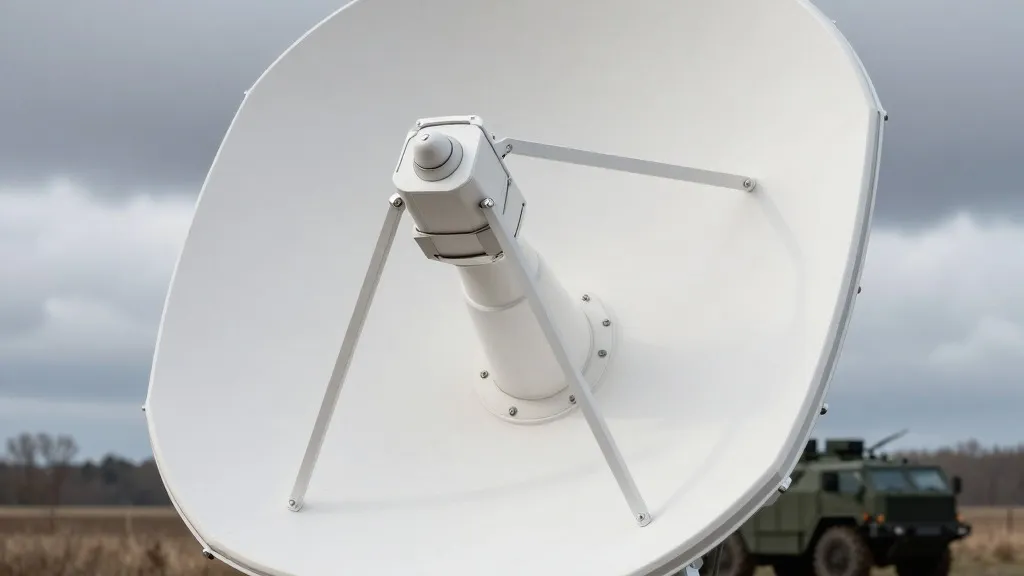
Tens of thousands of commercial satellite terminals, funded by the United States and European allies, have become the backbone of Ukraine’s digital infrastructure. This massive deployment, covering both the hardware and the ongoing subscription fees, has allowed Kyiv to maintain high-speed internet access for civilian populations and critical military operations. However, the scale of this dependency is now under scrutiny as the service that underpins these communications faces growing instability.
For years, the Starlink network has provided a decisive advantage in Ukraine’s resistance against Russia’s full-scale invasion. The system’s ability to deliver high-speed data streams through relatively compact terminals has been transformative. It enables the Ukrainian military to maintain vital communications and, crucially, to remotely control and guide drones. These drones are essential for both air defense against incoming Russian attacks and for striking targets deep within enemy territory. The ease of use and low cost of the system have made it the default choice for many defense contractors and military units.
The primary technical constraint of the system remains the physical positioning of the antenna. Users must ensure a clear line of sight to the satellites to maintain a stable connection. Beyond this mechanical limitation, the service is currently perceived as having no significant competitors when combining cost, availability, and usability. This lack of alternatives has created a unique vulnerability in the current geopolitical landscape.
Recent developments have heightened concerns about the reliability of this infrastructure. The satellite service has become increasingly unpredictable, a shift attributed to the political inclinations of its owner, Elon Musk. The latest surprise disruptions to service in Ukraine have forced a reevaluation of how long the country can rely on a commercial entity for such a critical function. The uncertainty surrounding the provider’s political stance has introduced a new layer of risk to the war effort.
In response, Ukraine and Europe are facing urgent questions about their future strategy. The focus is shifting toward understanding how to proceed if Starlink support is reduced or withdrawn. While the US government has also provided access to a military-grade version of the service, known as Starshield, the reliance on the commercial terminals remains the dominant factor. Ukrainian defense companies are currently testing their technologies in cooperation with the military using this military-grade access, but the widespread use of the commercial terminals cannot be ignored.
The situation highlights a broader strategic challenge for European and American defense planners. The transition from a state of total reliance to a more diversified communications strategy is now an immediate priority. As the conflict continues, the stability of this satellite network remains a pivotal factor in the operational capabilities of the Ukrainian forces.
The coming months will likely see accelerated efforts to find or develop alternative solutions. The current disruptions serve as a stark reminder that technological advantage in modern warfare is inextricably linked to the commercial and political stability of the providers. For now, the tens of thousands of terminals remain in place, but the questions about their future endurance are becoming impossible to ignore.
Source: Ars Technica