Lunar Ambitions: NASA Overhauls Artemis Timeline and Docking Protocols
The space agency revealed significant architectural shifts for SpaceX and Blue Origin vehicles, aiming to secure a 2028 crewed landing while resolving long-standing orbital mechanics challenges.
By Aever Bundji ·
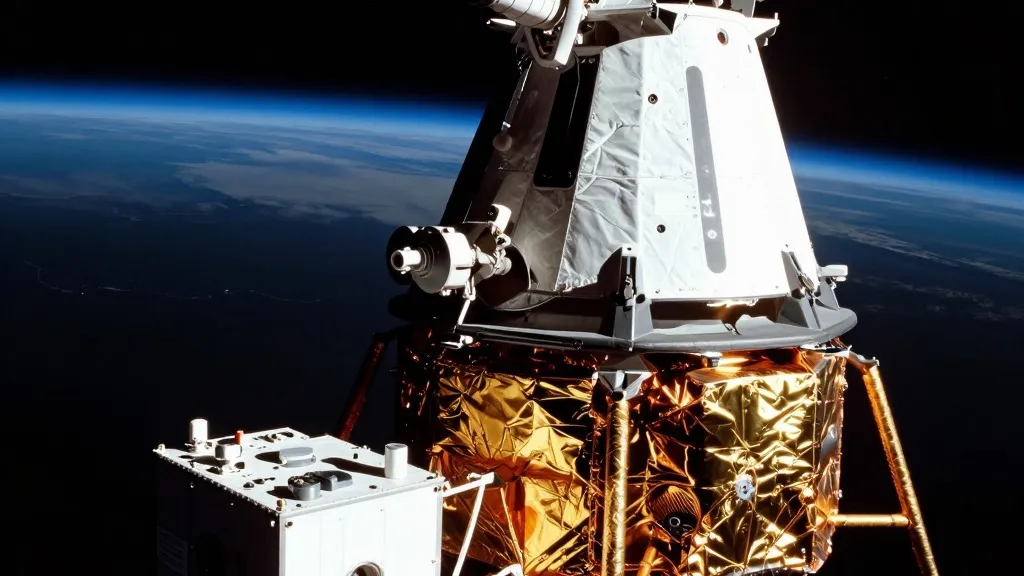
NASA Administrator Jared Isaacman presented a revised roadmap on Friday that fundamentally alters how the United States intends to return humans to the Moon. The announcement, delivered during a lengthy press conference, marked the first time the agency has formally acknowledged substantial changes to the Artemis program's architecture. These updates are designed to streamline the complex logistics of lunar exploration and potentially accelerate the timeline for crewed surface missions.
The most significant shift involves the interaction between the Orion spacecraft and commercial landers. For SpaceX, the new plan dictates that Orion will dock with the Starship lunar lander in high-Earth orbit before the combined vehicle travels to the Moon. This change eliminates the previous requirement for docking in a near-rectilinear halo orbit around the Moon, a maneuver that engineers had long viewed as energy-intensive and technically difficult. The simplification comes largely after the agency canceled the Lunar Gateway project earlier this year, which had previously complicated the orbital dynamics for SpaceX.
Blue Origin faces a different set of parameters under the updated guidelines. The architecture for their Blue Moon lander involves four separate launches of the New Glenn rocket. Notably, this configuration excludes any in-space refueling between spacecraft. Instead, the plan allows for the Blue Moon lander to rendezvous with Orion in low-Lunar orbit. This approach reduces the complexity of the mission by avoiding the delicate choreography of transferring propellant between vehicles in the void.
The agency maintains its aggressive schedule despite these structural changes. Officials stated they are still targeting a "summer" 2027 launch for Artemis III, a mission focused on demonstrating docking capabilities between the Blue Moon and Starship vehicles near Earth. Following that demonstration, the agency aims to launch Artemis IV in 2028. This final step involves an actual landing of astronauts on the lunar surface, a milestone that has been elusive for decades.
Isaacman expressed confidence in the revised strategy, noting that the agency possesses the necessary mandate, resources, and stakeholder support to execute the plan. He described the current trajectory as achievable, suggesting that the leadership team has thoroughly examined every element of the program to facilitate the work of the lunar lander companies. The administration appears to be prioritizing practical adjustments that allow commercial partners to proceed with greater efficiency.
However, questions remain about the durability of these dates. While the architectural changes address specific technical hurdles, the overall schedule remains tight. The success of the program now hinges on the ability of SpaceX and Blue Origin to meet their respective development milestones without further delays. The next few years will serve as the critical test for whether these revised protocols can translate into a successful crewed mission.
Source: Ars Technica