5,500 PSI: The digital cockpit of the next-gen Roadster reveals its fighter-jet DNA
Tesla’s latest software preview highlights the high-pressure thruster systems and specialized telemetry that define the upcoming 2028 flagship vehicle.
By Arjun Patel ·
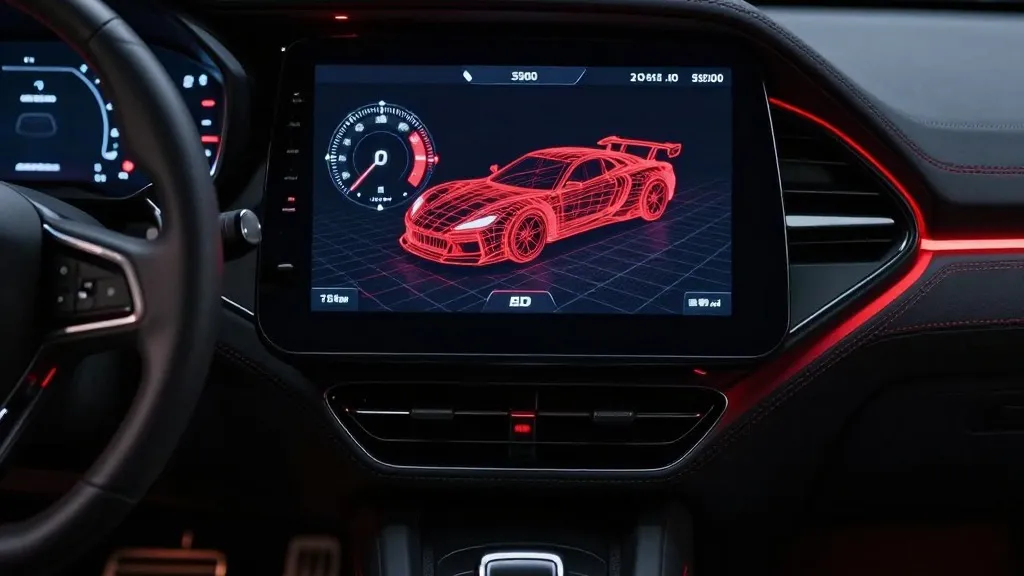
A pressure reading of 5,500 PSI is the most striking data point in the latest glimpse of Tesla’s next-generation Roadster cockpit, a figure that underscores the mechanical intensity hidden behind the vehicle's digital interface. This specific gauge, labeled “Thruster,” appears on the dashboard during a track-focused mode, serving as the primary indicator for the cold gas propulsion system that distinguishes the top-tier models from the rest of the lineup. It is a tangible link between the software experience and the hardware that Tesla unveiled near Waco, Texas, earlier this month.
The core claim of the new design philosophy is that the interface is built around the driver, or “pilot,” rather than the traditional map-centric layout found in other Tesla vehicles. In a 34-second video released to X on Friday afternoon, the company detailed a touchscreen experience inspired by fighter jet cockpits. The home screen places a 3D wireframe of the car at the center, flanked by a squared-off yoke, rather than displaying a navigation map. This structural shift signals a move toward a more performance-oriented user experience, with a row of tabs at the bottom providing access to home, vehicle controls, audio, climate, and navigation functions.
The most detailed portion of the preview focuses on Track Mode, a dedicated environment for high-performance driving. The display presents a live circuit map alongside a comprehensive list of session lap times. Critical mechanical data is front and center, including real-time readouts for brake and motor temperatures, as well as individual pressure and temperature metrics for each tire. A setup page allows drivers to fine-tune the vehicle’s aerodynamics, choosing between Auto, Low Drag, High Downforce, or Custom modes, while also adjusting aero and brake balance. For those seeking maximum performance, the interface permits the complete disabling of stability and traction control systems.
This software configuration directly corresponds to the hardware variations Tesla has outlined for the model. The Thrust and Rocket versions utilize cold gas thrusters fed by carbon-overwrapped pressure vessels, which are responsible for the extreme acceleration figures cited by the company. Tesla lists 0 to 60 mph times of under 0.9 seconds for the Thrust model and under 0.59 seconds for the Rocket. In contrast, the base Performance variant relies on a fan and ground sealing system to generate grip, a setup that aligns with the active wing and suction controls visible on the screen.
Several caveats remain regarding the final state of this interface. While the current preview offers a clear look at the cockpit, the software is not yet final and may undergo changes before deliveries begin. Production is scheduled to start in 2028, according to Elon Musk, leaving a significant window for potential refinements. Furthermore, the Roadster’s layout is a distinct departure from the rest of the Tesla lineup, which typically features a central map display. The Roadster instead includes two smaller forward-facing displays in addition to the main touchscreen, a configuration that has not been confirmed for other models like the Model 3 Performance.
There are also open questions about the accessibility of these features across different trims. Tesla has not specified whether any of the detailed Track Mode telemetry will migrate to its other high-performance vehicles. The hierarchy of the three configurations is also becoming clearer, with the base Performance car serving as the entry point, the Thrust version designated as a limited release, and the Rocket version restricted to an invite-only program. Notably, Tesla states that the flagship Rocket version is not yet approved for public road use, adding a layer of exclusivity and regulatory complexity to the top-tier model.
For prospective buyers, the path to ownership is already open, though it comes with a significant financial commitment. Reservations are currently available with a $50,000 payment, securing a place in the queue for the 2028 launch. The high price point and limited availability reflect the specialized nature of the vehicle, which blends automotive engineering with aerospace-inspired propulsion technology. The interface preview serves as a digital promise of that hybrid identity, offering a taste of the pilot-centric experience before the physical cars reach the public.
The first opportunity for the general public to view the physical vehicle will arrive this weekend. From October 24 to 27, the Roadster will be on display in the lobby of the Petersen Automotive Museum in Los Angeles. According to Sawyer Merritt, this exhibition marks the first time the public will be able to view the car up close, providing a crucial real-world counterpart to the digital interface revealed in Friday’s video. This dual approach, digital preview followed by physical exhibition, highlights Tesla’s strategy to build anticipation for a vehicle that is as much a technological statement as it is a mode of transportation.
Source: Teslarati