Apple lifts first-year iPhone Duo targets to 14 million units
Supply chain data indicates the tech giant has significantly expanded production of its new folding phone to meet unprecedented consumer demand.
By Marcus Johnson ·
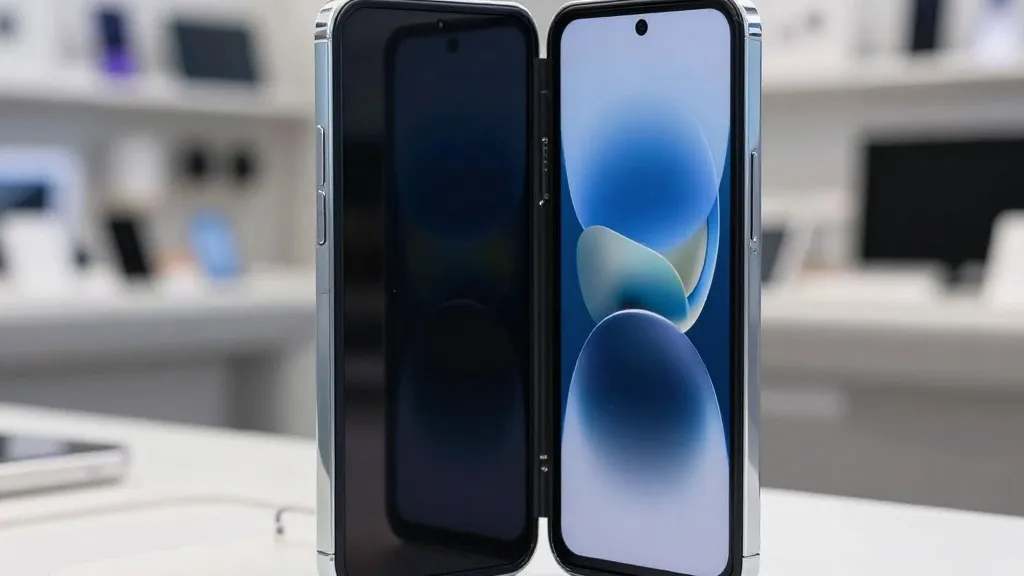
For consumers who placed early orders for the new folding iPhone, the wait time is now officially explained by a surge in popularity rather than logistical errors. While initial confusion arose when delivery estimates jumped to late January within minutes of pre-orders opening, supply chain reports confirm that Apple has responded by drastically increasing its production targets. The company has raised its shipment goal for the device from 9.7 million units to 14 million over the coming year. This move is designed to satisfy what internal sources have described as extraordinary demand for the hardware.
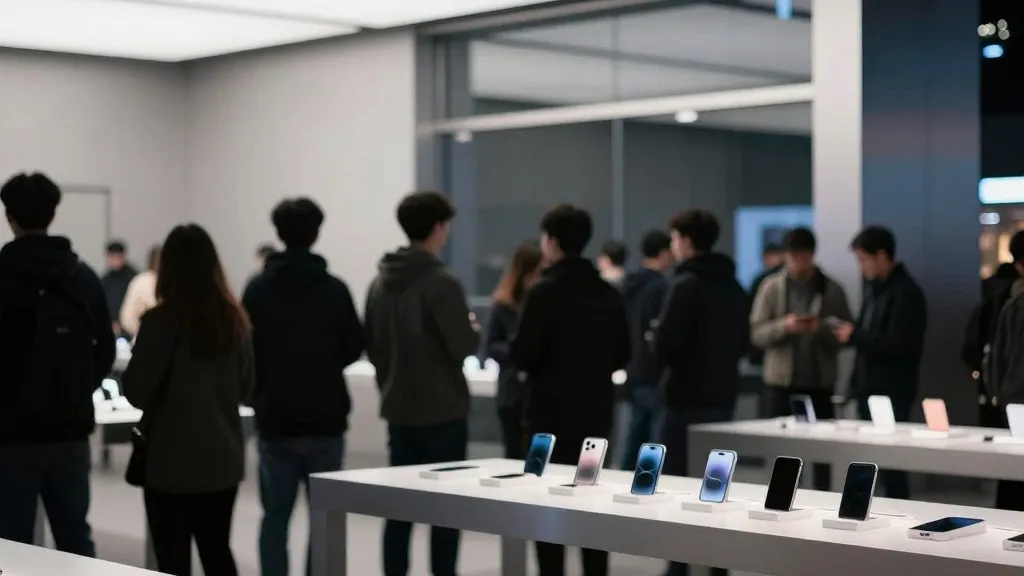
The timeline for this shift began just days ago when pre-orders officially launched on Friday. Almost immediately, customers noticed that the estimated arrival dates on their carts extended far beyond the original launch window. Some users saw their phones scheduled for delivery in late January, a delay that sparked debate on social media. Many wondered if the delay was a sign of supply chain struggles or a calculated strategy to manage hype. However, the latest industry data points clearly toward the latter, suggesting the delays were a temporary effect of orders outpacing the initial stock available at launch.
Apple attributed the extended timelines to the overwhelming interest in its first folding smartphone. The company used the word extraordinary to characterize the volume of requests, a term it has employed in previous major product launches. To prevent the device from being hoarded by resellers, Apple implemented a strict policy limiting each customer to purchasing a maximum of two units. This measure was intended to ensure that the initial supply reached genuine end users rather than scalpers looking to profit from the novelty of the foldable design.
As the initial rush settled, some of the earliest adopters began receiving updated shipping estimates that were significantly earlier than the original late-January dates. This adjustment aligns with recent reports from DigiTimes, which cite supply chain sources indicating a major ramp-up in manufacturing. The production increase is not a one-time fix but rather an ongoing adjustment. Apple expects strong sales to persist throughout the first year, leading to the revised total of 14 million units planned for delivery in the coming twelve months.
While the hardware availability is improving, early users are currently navigating a software ecosystem that is still adapting to the new form factor. Third-party applications have not yet been fully optimized for the unique display and interaction model of the folding iPhone. Apple acknowledges this gap, stating that the situation is improving rapidly as developers release updates to support the device. The company is actively working with the developer community to ensure that the most popular apps function seamlessly on the new hardware.
Initial reviews from those who have spent a week with the device have begun to emerge. These early assessments offer a consistent perspective on the user experience. A recurring theme in these reports is the current state of app support, which is cited as one of the five most significant aspects of the early ownership experience. Reviewers note that while the core functionality is robust, the lack of fully optimized third-party tools remains a noticeable hurdle for daily use.
Another point of focus in the early feedback is the biometric security method. The new iPhone Duo utilizes Touch ID, which represents a step down from the facial recognition system found in previous flagship models. This design choice has been a topic of discussion among tech enthusiasts. However, new reporting suggests that the company is already looking ahead to future iterations of the device.
Industry watchers note that Apple is currently testing prototypes for the next version of the folding phone, often referred to as the iPhone Duo 2. These early models are reportedly featuring Face ID technology. This development suggests that the company views the current Touch ID implementation as a temporary measure for the first generation. By moving quickly to integrate facial recognition in the sequel, Apple aims to address user preferences for more advanced security features while maintaining the unique folding mechanism that defines the product line.
The expansion of production targets signals confidence in the long-term success of the folding format. By boosting orders by more than 40 percent, Apple is signaling to its supply chain partners that it intends to maintain high output levels. This strategic move helps stabilize the market and ensures that inventory levels can keep pace with consumer interest. As more units reach customers, the pressure on initial stock will ease, and the shipping delays that characterized the launch week should gradually disappear.
Looking ahead, the next few months will be critical for both the hardware and software teams at Apple. The goal is to deliver the 14 million units promised while simultaneously improving the software experience through developer updates. For the general public, the increased production means that new buyers who did not get in during the initial pre-order window will likely see shorter wait times in the coming weeks. The market is shifting from a period of scarcity to one of steady availability, marking a significant milestone for the company's first foray into foldable technology.
Source: 9to5Mac