Phishing Computer Hidden Behind Hotel Fridge in Japan Leads to Arrest of Chinese Couple
A machine tucked behind a refrigerator in a Japanese hotel room sent about 480,000 phishing emails before a recipient's complaint led staff to find it and police to arrest a Chinese couple.
By News Media House Staff ·
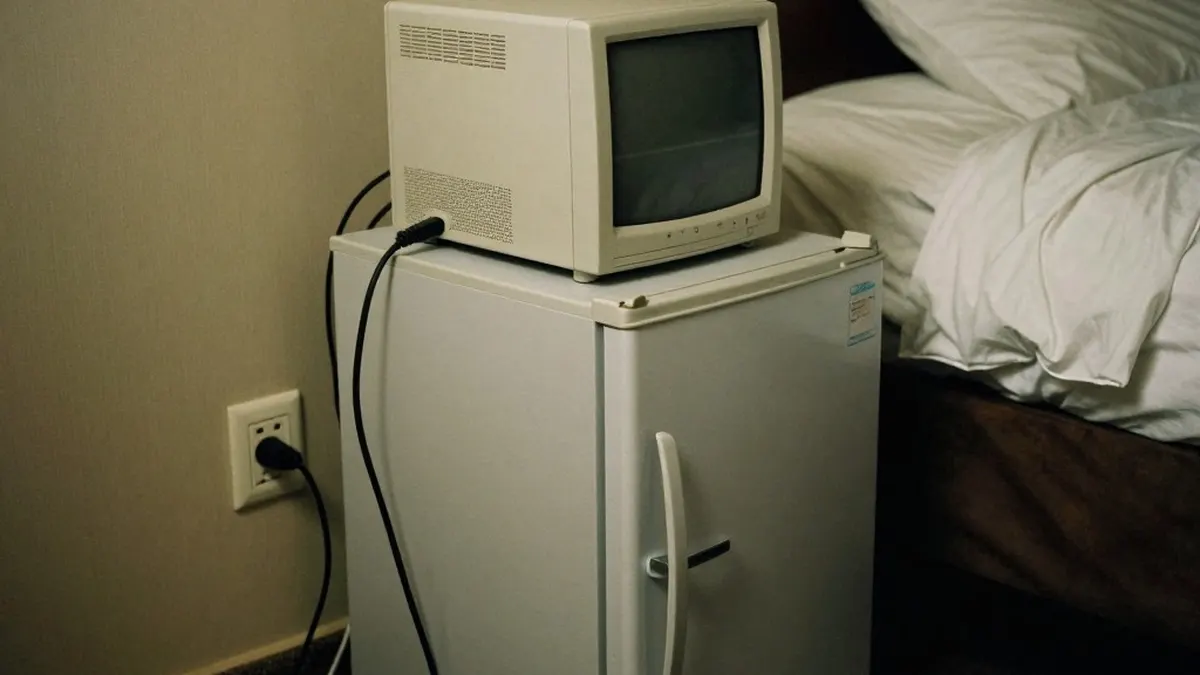
A computer concealed behind a refrigerator in a Japanese hotel room was used to send roughly 480,000 phishing emails, according to a report from Hackread. A Chinese couple living in Japan have since been arrested over the device, as well as over a separate run of purchases made with stolen credit card details.
The suspects are Ye Jiafeng, 39, and his wife, Shen Qi, 39. They face multiple charges, including fraudulent obstruction of business, trespass and computer fraud.
According to the report, the scheme began on 15 May 2025, when Ye connected the computer to the hotel's Wi-Fi network and hid it behind the fridge. It stayed there sending emails until it was found. At that point, the machine held about 2.4 million email addresses, apparently waiting to be targeted.
The messages were designed to look as though they came from credit card companies. Recipients were directed to counterfeit websites built to harvest their card information. The computer is believed to have been managed remotely, which would have allowed it to operate without anyone returning to the room to service it.
The device might never have been found had one recipient of the emails not contacted the hotel. The hotel's IP address appeared in metadata attached to the messages, and staff located the computer and informed police. Investigators are still working to determine whether the couple planned the operation themselves or were acting on behalf of someone else.
Phishing was not the pair's first use of technology to take money from victims. Ye and Shen are alleged to have used credit card details stored on a smartphone to buy goods in Kobe. Media reports say police found 74 phones at the couple's home, and that the two have spent 10 million yen, about $63,000, of other people's money using stolen card details since 2024. It remains unclear whether the seized phones account for every device used, or whether others are yet to be identified.
Phishing remains a lucrative business for criminals worldwide, and it has recently spawned a related industry. Earlier this year, the FBI dismantled a China-based phishing-as-a-service operation that made it easier for criminals to set up scam sites with the help of AI. That service is believed to have been responsible for nearly $2 billion in losses and 3.87 million stolen credit cards.
Source: Tom's Hardware